




Mass Malaise, Brainwashing, and Self-Sacrifice

July 8, 2026

Share this article

Mass hypnosis is, by definition, ubiquitous, seemingly everywhere, affecting everyone. Am I unwittingly the victim of mass brainwashing? Can I discern the difference between social media's portrayal of reality and actual 'on the street' life? Is my worldview being shaped by the Machine that selectively shows me only a few minutes or hours of activity from the billions of daily interactions of eight billion people and organizations?


I am striving to unearth and survey my own buried, perhaps invisible biases and hidden thoughts through a process of relentless 'but maybe' cross-examination questions to myself. I find it easy to follow me around for a month to observe my natural behavior rather than get lost in my head in a unique, subjective world of swirling thoughts and feelings. To that point, I feel a fire burning in my heart to focus on helping others remember that we are all of the same species.


We can all do much better collectively through peace and cooperation. Alas, my message may sound like the words of a hopeful idealist, but I am a realist. Liking tangible proof of claims and reports, I dug into deep research about 'man's inhumanity to man' and was dismayed to learn the unfathomable depths of depravity. To repair my mood, I chose instead to study the biographies of persons that made me feel proud of people in this Anthropocene period. I refocused on the best of what it means to be human.


To me, the best is universally shared bonds of trust, compassion, and love, an appreciation of all creation, especially our neighbors. Sadly, our collective mind is young in terms of geologic time. Our brainstem’s reticular system is wired with many 'fight or flight' self-preservation synaptic triggers. And thank goodness for that!

Let's become more self-aware. Let’s not get lost in the bad news, which constantly bombards our senses. Monica Guzman refers to these neurochemical synaptic spikes as 'dopamine lollipops.’


To heal my media-infected blue attitude, I've researched the honorable side of human nature to restore my faith in humankind. Now, I feel better and can see things from a dispassionate, elevated point of view. Who's driving my brain anyway, external stimuli or my own consciously chosen second thoughts?

Unconscious Bias Pre-programming Affects Group Moods


Mass hypnosis is, by definition, ubiquitous, seemingly everywhere, affecting everyone. Am I unwittingly the victim of mass brainwashing? Can I discern the difference between social media's portrayal of reality and actual 'on the street' life? Is my worldview being shaped by the Machine that selectively shows me only a few minutes or hours of activity from the billions of daily interactions of eight billion people and organizations?


I am striving to unearth and survey my own buried, perhaps invisible biases and hidden thoughts through a process of relentless 'but maybe' cross-examination questions to myself. It is easy to follow me around for a month to observe my natural behavior rather than get lost in my head in a unique, subjective world of swirling thoughts and feelings.


To that point, I feel a fire burning in my heart to focus on helping others remember that we are all of the same species. We can all do much better collectively through peace and cooperation. Alas, my message may sound like the words of a hopeful idealist, but I am a realist. Liking tangible proof of claims and reports, I dug into deep research about 'man's inhumanity to man' and was dismayed to learn the unfathomable depths of depravity. To repair my mood, I chose instead to study the biographies of persons that made me feel proud of people in this Anthropocene period. I refocused on the best of what it means to be human.


To me, the best is universally shared bonds of trust, compassion, and love, an appreciation of all creation, especially our neighbors. Sadly, our collective mind is young in terms of geologic time. Our brainstem’s reticular system is wired with many 'fight or flight' self-preservation synaptic triggers. And thank goodness for that!

Let's become more self-aware. Let’s not get lost in the bad news that constantly bombards our senses. Monica Guzman refers to these neurochemical synaptic spikes as 'dopamine lollipops.’


To heal my media-infected blue attitude, I've researched the honorable side of human nature to restore my faith in humankind. Now, I feel better and can see things from a dispassionate, elevated point of view. Who's driving my brain anyway, external stimuli or my own consciously chosen second thoughts?

Daily, we are cognitively and emotionally overloaded with information about natural disasters, genocide campaigns in Africa and elsewhere, an average of two U.S. mass shootings per day, crazed killers on the run, killer bees, asteroids, floods, earthquakes, tsunamis, the U.S. January 6 Insurrection, a virus that has killed over a million people, worldwide mass migrations of displaced persons, a disrupted supply chain, economic fluctuations, U.S. Congress at odds with itself, privacy hacks, identity theft, energy and climate crises, wildfires, cybersecurity issues, and smash and grab robberies. The pain list goes on and on ad nauseam. These stimuli trigger our deepest, primal biases and behaviors.

Our selective reading and listening shape and reinforce our biases. These habits support separation rather than people coming together for intelligent arguments about their differences. My revelation concerning the benefits of bias, especially in terms of interpersonal conflict, is that "you can see my faults, and I can see yours." Such is the nature of bias.


Our challenge is to learn to speak about those faults in a way that the other person can hear. If I practiced tough listening long enough, I’d receive helpful feedback on my behavior. After all, people are most honest when they are angry. We can mentally practice impulse control reflexes before and when conflict sparks.

The Smash & Grab Trend

Boulder Mall Christmas - www.jimfreeheart.com

A Boulder friend of mine recently went shopping at a local supermarket. She liked to go just before closing time to avoid crowds. While she was in the back of the store talking with the store manager, a gang rushed in the front doors, armed with shopping bags, loaded up, and after a few minutes, as if on cue, all ran out simultaneously. The manager received a radio report from one of his cashiers about the theft. He nonchalantly mumbled that "it happens so often" that he “no longer cares.”


The cops arrived, filed a report, got copies of CCT tapes, and left. The manager claimed that the store theft losses amount to over $6,300,000.00 monthly. I'd expect this kind of criminal behavior in wild Philadelphia, but I was discouraged that the smash-and-grab trend is now copied in my cute little college town and elsewhere.

The Cartels' U.S. Customer Attrition Drug Problem

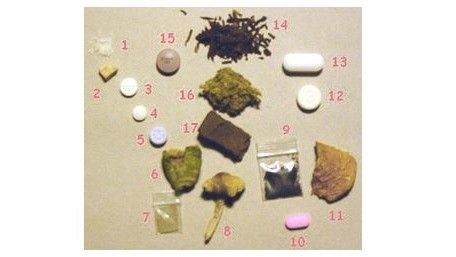
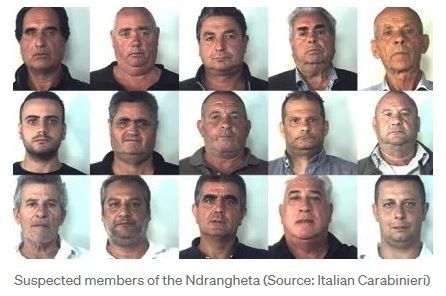
Meanwhile, the global drug distribution cartels, financed by the Italian mafia cult 'Ndrangheta, are increasingly flooding the world with tons of hard drugs. Except for occasional sensational stories of significant drug busts, unless you tour the tent villages of homeless people in our cities, you probably have not even heard about Xylazine. This animal tranquilizer is changing the face of drug dealing. An estimated 200+ U.S. citizens a day are dying because of Xylazine, not to mention the grievous side effects, which are much too graphic to share here. The U.K. experienced its first Xylazine death in May 2023. It's spreading, but the news is slow to cover it.

With cryptocurrency, anybody can purchase drugs (and almost anything else, including 'hits') on the Dark Web, where law enforcement is hunting for perpetrators in the underbelly of the internet. Interpol provides valuable research to law enforcement; however, this information is also accessible to drug traffickers. Matters are further complicated by corruption. As a Boulder cop told me in 2012 about the legalization of marijuana, "Wherever there's big money, there's big corruption."


The epicenter of the Xylazine crisis is the infamous Kensington neighborhood of Philadelphia. A once thriving community, it has been on a downhill spiral since the 1970s, when manufacturing was curtailed, and factories closed. Home to McPherson Park, a beautiful little park with a colonial-designed library building. It is now known as “Needle Park,” and its patrons are called ‘zombies.’

How big is this problem? "Over the last two years (2019 – 2021), preventable drug overdose deaths increased 58.0%, from 62,172 in 2019. In 2021, 98,268 people died from preventable drug overdoses – an increase of 781% since 1999. These deaths represent 92% of the total 106,699 drug overdose deaths in the United States, which also include suicide, homicide, and undetermined intents."

- https://injuryfacts.nsc.org/

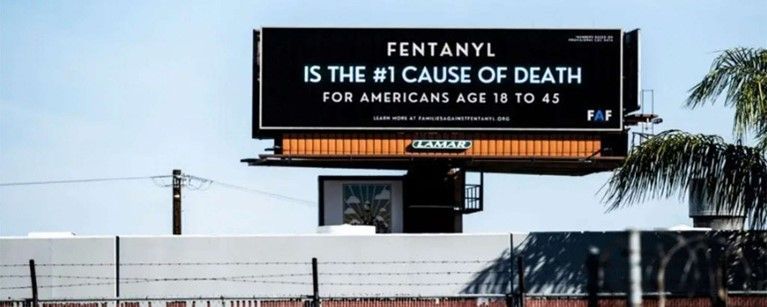
The fentanyl epidemic has grown so huge that the Sinaloa Cartel has recently threatened its people with death if they manufacture, distribute, or sell fentanyl because it is killing off customers. The CDC reports that fentanyl overdose death rates more than tripled between 2016 to 2021.

"Drug overdose death rates involving fentanyl increased by 279% from 5.7 per 100,000 in 2016 to 21.6 in 2021, according to new data from the CDC's National Center for Health Statistics (NCHS). Drug overdose death rates involving methamphetamine more than quadrupled during the same period."                                                 – U.S. Center for Disease Control


I’ve begun presenting an informative Zoom series on Xylazine and Fentanyl Public Awareness. At my September session, Representative Marc Snyder (D., El Paso County, CO) said that "most politicians have their head in the sand" when it comes to the ever-expanding drug problem. He submitted a bill to the Colorado legislature that would hold drug dealers accountable for harm done by their merchandise, especially deaths. It failed to pass. The movement I've initiated, with help from positive aging advocate Jeff Rubin, is moving towards creating a leadership opportunity for a federal legislator to win hero points for bringing a similar bill to Congress. 

Okay, dear reader, thanks for letting me bring you down with the backdrop of a world in constant crisis. Let’s put some helium into our balloon to lift us upward. Now, we'll recall the lives of heroic individuals and generous communities who exemplify the better part of human nature. Let's switch from the constantly breaking bad news to a calm, peaceful place. Following are stories about the admirable, honorable, and courageous acts of those who gave comfort, safety, and solace to others and, in some cases, risked their freedom, health, and even lives for the sake of others.

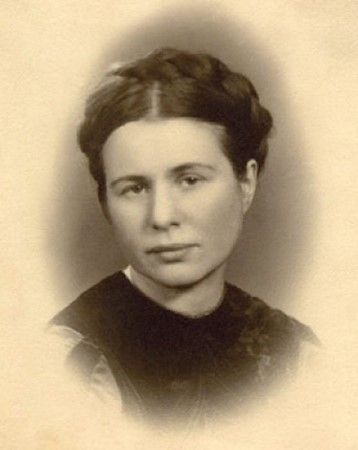
Irena Sendler

Irena Sendler was a radical underground Catholic woman who, during Hitler's reign, posed as a social worker to enter the Warsaw ghetto. Over two years, she extracted over 2500 of the smallest and most vulnerable people, primarily children, drugging them asleep to hide and transport them in laundry carts and toolboxes. On strips of paper, Irena kept the encoded names of the captives in glass jars that were buried and spread about in various locations. Exposed by her friend who could not endure Nazi torture, Irena was captured, tortured, and her legs were broken. Still, she never revealed the location of the missing children.


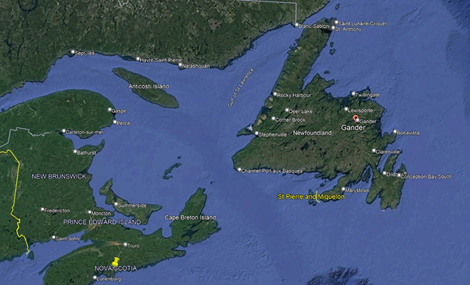
Canadian Town Hosts Americans in Flight

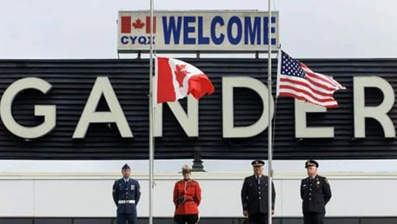
When the 9/11 attacks occurred, 167 flights were suddenly diverted to other airports. Thirty-eight of those flights landed in Gander, Newfoundland, once 'the refueling station of international flights.' Now, Gander is famous for its over 11,000 citizens warmly and quickly making their first order of business to receive and comfort flight passengers.

Alison Tretter, journalist and Exhibition Developer, 9/11 Memorial & Museum, reported on September 13th, when the United States airspace reopened and planes began to leave Gander, comments by the passengers. "We didn't want to leave," one passenger recounted her tearful goodbye. "We were having a really great time with those Newfoundlanders."


The ‘plane people’ remembered their time in Canada after reaching their final destinations. Passengers kept in touch with one another and their Newfoundland hosts by phone, made websites dedicated to their flights, and even returned to Gander for anniversaries of the attacks. The passengers and crew of one flight created a scholarship fund for students in the Gander area. The initial donation of $15,000 has, since 2001, grown to more than $1 million and provided scholarships to more than 200 local students.

Newfoundlanders, too, remember this extraordinary moment in their history. In Appleton, residents built a Peace Park from $5,000 donated by stranded passengers. The park features a section of World Trade Center steel and a monument dedicated to first responders. Every year on 9/11, Appleton holds a ceremony to remember those killed in the attacks and to honor those who cared for the stranded passengers. "There is goodness in the world," Appleton's Mayor Flynn said in a 2017 interview, "that floats to the top in times of disaster."


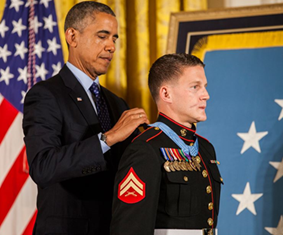
Marine Corporal Kyle Carpenter

On November 21, 2010, in Helmand province, Afghanistan, then-Lance Cpl. Kyle Carpenter and a fellow Marine were on a rooftop security position on the perimeter of Patrol Base Dakota when enemy combatants raided. When an enemy grenade landed near Carpenter, he dove on the grenade and absorbed the blast with his body, saving the life of the other Marine on the rooftop that day. Carpenter survived the explosion and was awarded the Medal of Honor for his actions. He is now an author and motivational speaker with an Instagram bio.


Robert Maxwell – Army Corporal

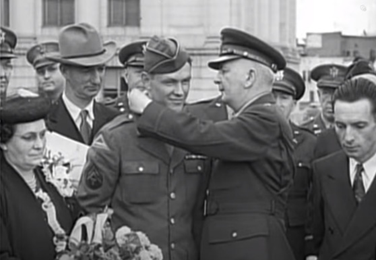
As German forces approached their defensive position in Besançon, France, on September 7th, 1944, Army Corporal Robert Maxwell and three other soldiers were outnumbered and outgunned. Germans had infiltrated rifle posts and had surrounded their camp. At about 2 AM, several grenades hit his tent, bounced off, and exploded harmlessly, but one grenade fell into his tent. He knew that time was short for throwing the grenade back; he grabbed his blanket, put it up against his chest, and fell onto the grenade. When he came to, bleeding from multiple wounds, the camp had been evacuated. He was rescued after saving the lives of three others.


Arland D. Williams, Jr.

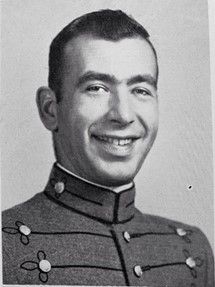
On January 13, 1982, Air Florida Flight 90 crashed on take-off into the icy Potomac River in Washington, D.C., killing 74 people. Arland D. Williams Jr. was a passenger on that flight. One of six people to initially survive the crash, he helped the other five escape the sinking plane and freezing water by passing them a helicopter lifeline, even as he struggled, ultimately losing his life. The 14th Street Bridge over the Potomac River at the crash site was renamed in his honor. (Video link below)


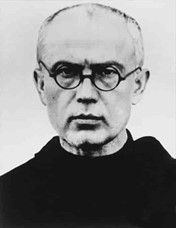
Maxmillion Kolbe – Auschwitz Martyr

"Greater love has no one than this: to lay down one's life for one's friends."


After the outbreak of World War II, Kolbe was one of the few friars who remained in his monastery, where he organized a temporary hospital. He also was publically outspoken, refusing to sign the 'Deutsche Volksliste,’ which would have given him rights similar to those of German citizens, in exchange for recognizing his ethnic German ancestry. He even broadcast radio warnings about the Third Reich. Maxmillion Kolbe was only 27 at the time. After the Germans captured the town on September 19, 1939, they arrested him. He was released on December 8th.


Upon his release, he continued work at his friary, where he and other friars provided shelter to refugees from Greater Poland, including 2,000 Jews whom he hid from German persecution in the Niepokalanów friary. Kolbe received permission to continue publishing religious works, though significantly reduced in scope. The monastery continued to act as a publishing house, issuing several anti-Nazi German publications.


Auschwitz

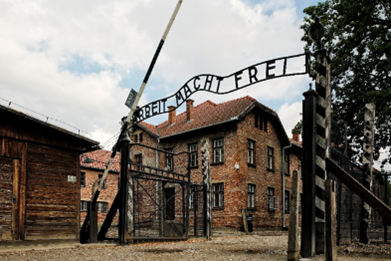
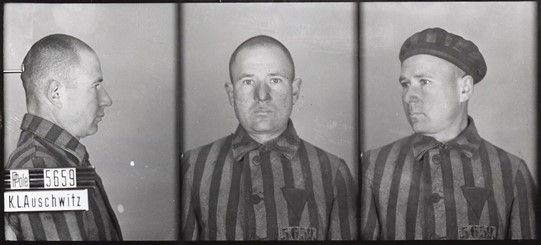
On February 17, 1941, the monastery was shut down by the German authorities. That day, Kolbe and four others were arrested by the Gestapo and imprisoned in the Pawiak prison. On May 28, he was transferred to Auschwitz as prisoner #16670.


At the end of July 1941, a prisoner escaped from the camp, prompting the deputy camp commander, SS-Hauptsurmfuhrer Karl Fritzsch, to pick ten men to be starved to death in an underground bunker to deter further escape attempts. When one of the selected men, Franciszek Gajowniczek, cried out, "My wife! My children!" Kolbe volunteered to take his place. Kolbe and others would be locked in a starvation barrack with others dead or dying.

Franciszek Gajowniczek

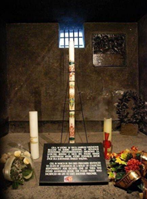
According to an eyewitness, an assistant janitor at that time, Kolbe led the prisoners in prayer in his prison cell. After they had been starved and deprived of water for two weeks, only Kolbe and three others remained alive. Because the guards wanted the bunker emptied, they gave the four remaining prisoners lethal injections of carbolic acid. Kolbe is said to have raised his left arm and calmly waited for the deadly injection.

Maximilian Kolbe's Block 11 prison cell in Auschwitz concentration camp

He died on August 14, 1941. His remains were cremated on August 15, the feast day of the Assumption of Mary.


Not Forrest Gump, but William Pitsenbarger

This is paragraph text. Click it or hit the Manage Text button to change the font, color, size, format, and more. To set up site-wide paragraph and title styles, go to Site Theme.

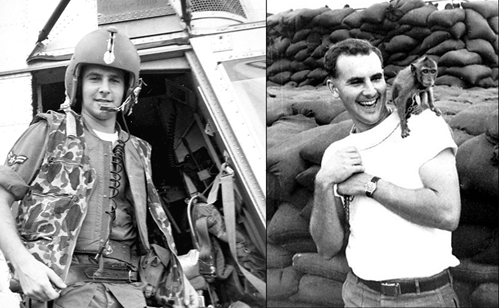
Airman First Class William H. Pitsenbarger was 21 years old when he was awarded the Air Force Cross for saving fellow soldiers wounded in Vietnam. His parents watched as he earned the distinction on September 22, 1966, only for him to be killed in action six months later — while rescuing anywhere between 40 to 60 men near Saigon.


When troops were ambushed and stuck in a losing battle, a bloody massacre, it was too dangerous for the Air Force to go in, but ‘Pitts,’ volunteered, on his day off, to rescue the surrounded allies with a helicopter. He overloaded the rescue helicopter with the wounded but stayed behind to assist the injured and dying.


Under the cover of darkness, he helped the wounded and gathered weapons. On the battlefield, he covered a wounded soldier with two dead ones and told him to stay still. That man saw him take the first of three bullets and continue to help the wounded, holding their hands as they died.


Alfred Wetzler & Rudolf Vrba

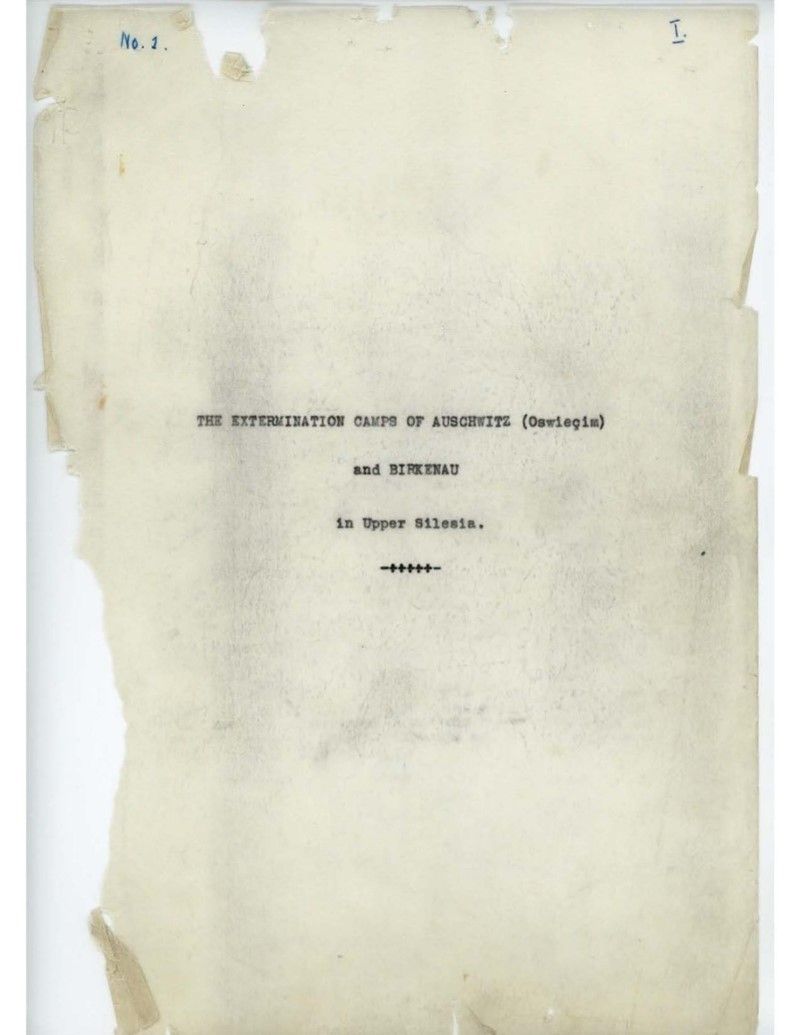
Report on the Auschwitz Protocols

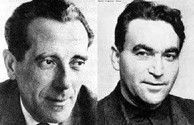
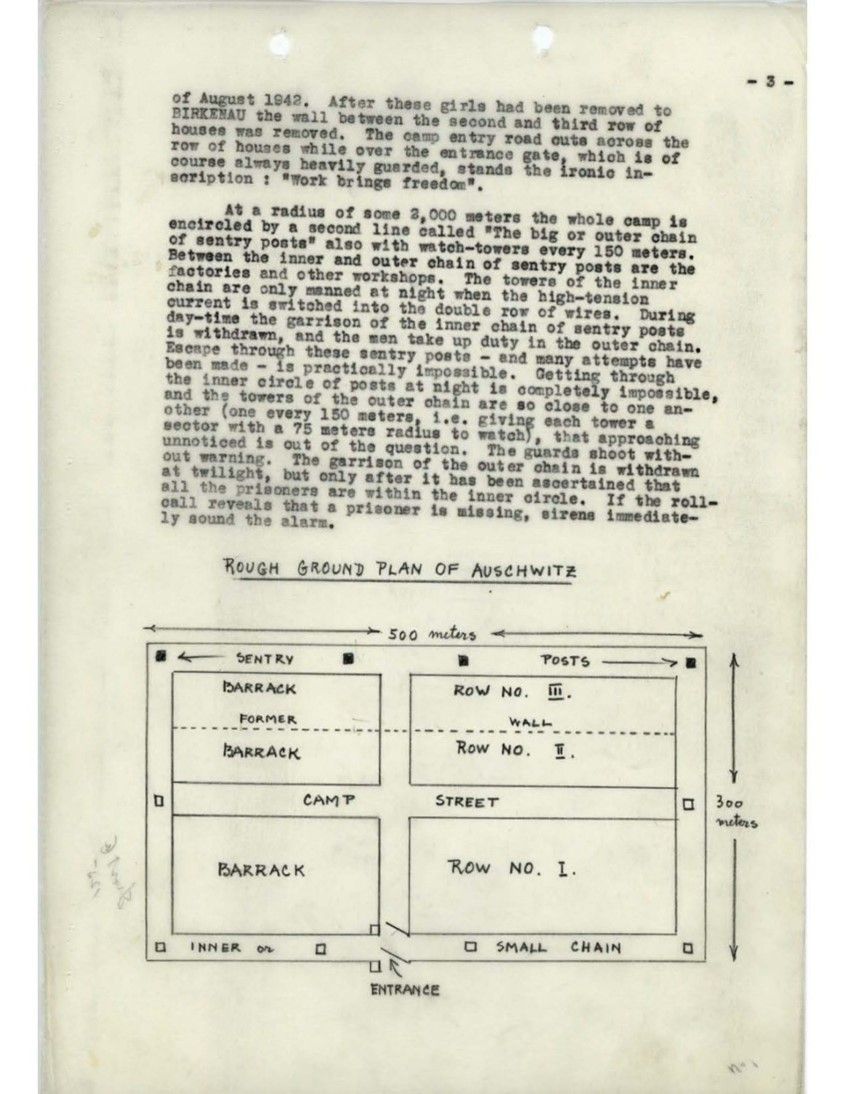
In late April 1944, Rudolf Vrba and Alfred Wetzler, two courageous Slovakian Jewish prisoners of Auschwitz-Birkenau concentration camp, co-wrote a report describing details of their experience. They drew illustrations of barracks' layouts, local geography, daily lives of prisoners, numbers, origin, categories of prisoners, and who were selected for "work" or death. They are the first escapees of Auschwitz.

From 1940 to 1943, prisoners' shot or starved bodies were incinerated in mass pits, their remains scattered in nearby creeks, used as farming fertilizer, and used to fill in the uneven landscape. That process was labor-intensive, and the ovens burned constantly, filling the sky with ash and the smell of death.

Then the Nazis conceived an idea on how to transition from the tediously slow extermination process of gassing captives locked inside trucks with exhaust carbon monoxide. The solution to the Jewish problem was as simple as pest control. Just cage and poison them.

In 1943, skeptical Third Reich leaders inspected the new Auschwitz-Birkenau project. They went away impressed by the overall efficiency of the metal box that was initially stuffed with over 8,000 Kracow Jews, who were then gassed with Zyklon-B, a cyanide-based insecticide.


For the twenty minutes required to kill all the emaciated captives, the high command inspectors constantly viewed through the gas chamber peephole, pleased at the success of their investment in an extermination method to eliminate 'naturally inferior' Jews from the Aryan gene pool. Other prisoners then carted their remains to the crematorium that constantly burned.

“After Swiss press coverage of the report, some details began appearing in American and British newspapers in June 1944, catalyzing international pressure (including from FDR) on the Hungarian government to halt deportations of Jews to Auschwitz. The deportations were temporarily stopped in July but resumed in October. That month, Roswell McClelland, an assistant to the American Minister in Switzerland, sent his own English translations of the full reports to John Pehle, Director of the US government’s War Refugee Board (WRB), an executive agency FDR had established to aid the civilian victims of Axis powers in January 1944. The WRB sent dozens of copies of the reports on November 18 under the title “German Extermination Camps - Auschwitz and Birkenau” to American journalists and to the House Appropriations Committee. Scholars debate how effectively they were used to influence American and Allied response to the Holocaust, but they were published nationwide on November 26, 1944, and later used as evidence in the Nuremberg trials.”

After their escape and informing the media, the entire wired world knew the horrific truth for the first time.

Dietrich Bonhoeffer

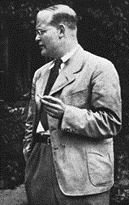
Dietrich Bonhoeffer was a German Lutheran pastor, theologian, anti-Nazi dissident, and a key founding member of the radical Confessing Church. His writings on Christianity's role in the secular world have become widely influential. His 1937 book 'The Cost of Discipleship' is a modern classic. He was deeply involved in the underground resistance to the Third Reich, including supporting underground ministries' funding and operations.


On February 1, 1933, at the age of 27, he gave a radio talk titled "The Younger Generation's Altered View of the Concept of the Fuhrer," in which he warned that if a leader does not submit to an ultimate authority, the leader will ultimately become an idol. The broadcast that was cut short was in response to Hitler's claim that Divine Providence was on his side. Bonhoeffer resisted the Nazi dictatorship, including opposition to Adolf Hitler’s euthanasia program and genocidal persecution of the Jews.


In April 1943, he was arrested by the Gestapo and imprisoned for one-and-a-half years at Tegel Prison, then he was transferred to Flossenbürg concentration camp.

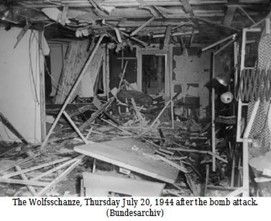
Bonhoeffer was a co-conspirator in the Valkyrie plot to assassinate Hitler, which happened on Thursday, July 20, 1944. A bomb was placed in a bag in front of a sturdy leg table, which served to blunt the explosion's impact on Hitler, who suffered minor scrapes, burns, and damage to his eardrums.

Ironically, Bonhoeffer worked in the German Military Intelligence Office, where he became a double agent, helping Lutheran pastors avoid military service and hide Jews.


Bonhoeffer was sentenced to death on April 8, 1945, at a drumhead court-martial without witnesses, without any evidence against him, with no records of the proceedings or a defense. On April 9, 1945, Bonhoeffer was stripped naked and executed along with six others by hanging at Flossenburg concentration camp at dawn.


Eberhard Bethge, a student and close friend of Bonhoeffer, writes of a man who saw the execution: "I saw Pastor Bonhoeffer... kneeling on the floor praying fervently to God. I was most deeply moved by how this lovable man prayed, so devout and certain that God heard his prayer. At the place of execution, he again said a short prayer and then climbed the few steps to the gallows, brave and composed. His death ensued after a few seconds. In the almost fifty years that I worked as a doctor, I have hardly ever seen a man die so entirely submissive to the will of God."

Dear reader, I hope these mini-bios were inspirational and reminded you of the more heroic side of human nature, especially during these dangerously divided times. My revelation from observing the territorial violence happening worldwide is distilled into this simple formula: Hatred = Fear x Ignorance.


References

Drug Overdoses - Data Details - Injury Facts (nsc.org)

Monica Guzman - I Never Thought of it That Way - YouTube

Fentanyl Overdose Death Rates More Than Tripled From 2016 to 2021 | Blogs | CDC

Irena Sendler describes how she was arrested and tortured by the Gestapo | Holocaust Encyclopedia (ushmm.org)

Life in a Jar - The Courageous Story of Irena Sendler

Newfound Friends: The Story of Gander, Newfoundland on 9/11 (northjersey.com)

"Lend a Hand, Do What You Can": Remembering the Generosity of Gander | National September 11th Memorial & Museum (911memorial.org)

Kyle Carpenter - Wikipedia

Robert Maxwell, Medal of Honor, WWII - YouTube

Medal of Honor Monday: Army Cpl. Robert Maxwell > U.S. Department of Defense > Story

Forty Years Later, a Daughter Recalls Her Father’s Heroism (communitybankingconnections.org)

Remembering Arland D. WilliamsJr. 2023 - YouTube

Maximilian Kolbe story - Google Search

U.S. Air Force: Portraits in Courage - William Pitsenbarger - YouTube

The escape - YouTube

Bonhoeffer Speaks Out Against Hitler - YouTube

Vrba-Wetzler Report - FDR Presidential Library & Museum (fdrlibrary.org)

ADDENDUM: The source of the phrase 'man's inhumanity to man' is a Robert Burns poem.

Man Was Made to Mourn: A Dirge 

When chill November's surly blast

Made fields and forests bare,

One ev'ning, as I wander'd forth

Along the banks of Ayr,

I spied a man, whose aged step

Seem'd weary, worn with care;


His face furrow'd o'er with years,

And hoary was his hair.

"Young stranger, whither wand'rest thou?"

Began the rev'rend sage;

"Does thirst of wealth thy step constrain,

Or youthful pleasure's rage?


Or haply, prest with cares and woes,

Too soon thou hast began

To wander forth, with me to mourn

The miseries of man.

"The sun that overhangs yon moors,

Out-spreading far and wide,


Where hundreds labour to support

A haughty lordling's pride;-

I've seen yon weary winter-sun

Twice forty times return;

And ev'ry time has added proofs,

That man was made to mourn.


"O man! while in thy early years,

How prodigal of time!

Mis-spending all thy precious hours-

Thy glorious, youthful prime!

Alternate follies take the sway;

Licentious passions burn;


Which tenfold force gives Nature's law.

That man was made to mourn.

"Look not alone on youthful prime,

Or manhood's active might;

Man then is useful to his kind,

Supported in his right:


But see him on the edge of life,

With cares and sorrows worn;

Then Age and Want-oh! ill-match'd pair-

Shew man was made to mourn.

"A few seem favourites of fate,

In pleasure's lap carest;


Yet, think not all the rich and great

Are likewise truly blest:

But oh! what crowds in ev'ry land,

All wretched and forlorn,

Thro' weary life this lesson learn,

That man was made to mourn.


"Many and sharp the num'rous ills

Inwoven with our frame!

More pointed still we make ourselves,

Regret, remorse, and shame!

And man, whose heav'n-erected face

The smiles of love adorn, -


Man's inhumanity to man

Makes countless thousands mourn!

"See yonder poor, o'erlabour'd wight,

So abject, mean, and vile,

Who begs a brother of the earth

To give him leave to toil;


And see his lordly fellow-worm

The poor petition spurn,

Unmindful, tho' a weeping wife

And helpless offspring mourn.

"If I'm design'd yon lordling's slave,

By Nature's law design'd,


Why was an independent wish

E'er planted in my mind?

If not, why am I subject to His cruelty, or scorn?

Or why has man the will and pow'r

To make his fellow mourn?

"Yet, let not this too much, my son,


Disturb thy youthful breast:

This partial view of human-kind

Is surely not the last!

he poor, oppressed, honest man

Had never, sure, been born,

Had there not been some recompense


To comfort those that mourn!

"O Death! the poor man's dearest friend,

The kindest and the best!

Welcome the hour my aged limbs

Are laid with thee at rest!


The great, the wealthy fear thy blow

From pomp and pleasure torn;

But, oh! a blest relief for those

That weary-laden mourn!"

-Robert Burns, 1784

Recent Posts

July 7, 2026
This article in this series will be concise for two reasons: 1) It's a nasty subject that is already amply covered by many other researchers and writers; 2) My preference is to move beyond statistical reports and societal trends to defining root causes of violence, and to suggest some proactive strategies for mitigating workplace violence. As case studies abound, instead, I will share observations about the core reasons for workplace violence and some ideas for how to prepare for and prevent violence. AI suggested providing statistics and case studies, which will be listed below in the reference area. I do not want to flood your mind here with evidence of man's inhumanity to man. You already know that mass shootings have transitioned decades ago from a rare occurrence to hundreds every year, so I won't bore you with bloody references. Overall, during the past few years, there has been a downward trend in violence in our cities' streets. To me, the real tragedy is that we have been conditioned to accept violence as commonplace and usual, when we should be outraged at the continual loss of lives and sanity. Alas, many seem too mesmerized by the latest bad news event to stop and focus on preventive measures. Enlightened leaders install workplace violence policies and protocols.
July 6, 2026
Given the popularity and propensity of quick-fix recipes, systems, solution processes, or courses, including everything from the Tyranny of Noisehow to cut a mango to how to live the perfect life, I've decided to venture where cynics go to share ideas on how to screw up everything in your personal and business life. This is intended as tongue-in-cheek discourse and a public confession (albeit craftily embedded within) about my bad and sometimes embarrassingly inappropriate decisions. 'Negative assertion,' a concept taught in the 80s in Assertiveness 101, always delights.
July 6, 2026
December 25th commemorates the birth of the most influential, controversial life, that of Jesus Christ, whose teachings centered on the phrase "Love one another." This universal ideal is a vision of a utopian society resonating with peace and harmony. However, despite this lovely aspiration, we confront a sobering reality of a world of persistent "wars and rumors of wars," casting doubts for many about the possibility of society ever attaining an enduring peace and power equilibrium worldwide. Often, particularly from young people, I hear discouragement and negative expectations about the future. The contemporary state of our global affairs is a disheartening landscape. Societal discord, aggravated by wealth inequality, ethnocentric prejudices, mismanagement of natural resources, and ingrained biases, paints a bleak picture of our collective future. Today's youth grow up in a world where negativity, although not representative of the larger reality, dominates daily news noise, including distressing reports of an average of two mass shootings per day. The mass migration from personal tete-a-tete conversations in actual rooms to virtual communications has accelerated narcissism. Our self-interest drives us to draw the attention of Facebook contacts by posting pictures from our personal lives, environs, and even our meals. Instead of dwelling solely on negative trends, let’s probe deeper into the underlying societal shifts and their root causes. Toward the end of this article, we'll explore the multifaceted nature of love as defined by the ancient Greeks. Even in conflict, such as war, an underlying motivation emerges, love for one's country, a form of self-love. Numerous surveys conducted in the United States indicate a decline in empathy over the past four decades, with the recent acceleration attributed to factors like the prolonged lockdown, increased social media dependence, and online addiction.
July 6, 2026
The January 2026 Minneapolis tragedies—especially the ICE murders of Renée Nicole Good and ICU nurse Alex Jeffrey Pretti—have evolved from ‘breaking news’ to what psychologists term a ‘cascade of collective traumas.’ The relentless flow of disturbing reports significantly impacts people, both positively and negatively, creating fertile ground for those who profit from chaos and confusion. The Minnesota failures of our safety system are ‘critical error’ messages in our social contract. ICE criminal abuse events, captured on high-resolution video and distributed via 24/7 news cycles, are a profound psychological ‘distraction engine’ that directly impacts the modern workforce, everybody from the custodial engineer down to the lowly and humble CEO.
July 6, 2026
Like you, I am always trying to make sense of things, especially the deepest, most perplexing, confusing, or foreign things. As a much younger man, one of the most foreign things I’ve never really completely understood was how global trade magically and smoothly emeshes the distribution of natural resources and manufactured components for goods for the 166 World Trade Organization members. Recently, I’ve re-learned that global trade is anything but smooth and simple. In fact, the experts taught me how to properly perceive the reality of the current world trade situation and its inevitable trajectory towards increasing chaos and uncertainty. So, here’s a curious outsider’s insights into a complex and politicized arena: international trade.
By Frank DeDominicis May 26, 2026
Employee Healthcare can cost half as much. Just imagine a world without co-pays and high deductibles. “In the world of employee benefits, a seismic shift is underway, and it's causing tremors of concern for some of America's biggest companies,” says Jed Cohen, cofounder of Fiduciary In A Box . He reports“ Attorneys filed a first-of-its-kind against Johnson & Johnson for its employee health benefits plan.” Recently I learned from Bob Hilke, an expert in Wellness and Healthcare, about a positive and hopefully healing tsunami of change rolling over our broken health care system. Given the perennial corporate problem of employee retention, finite dollars available for costly employee health insurance benefits programs, and inertia inherent within the current purchasing practices, I am impressed by the efficiency and effectiveness of the Nuka health system. Unlocking the Benefits of the Nuka Healthcare System The Nuka System , pioneered by the Alaska Native Medical Center, revolutionizes healthcare with its patient-centric approach. Emphasizing preventive care, continuity of care, and cultural competence improves health outcomes while respecting community traditions. Medical experts from around the world come to Alaska to study the system. While Nuka is the only healthcare system to receive the Malcolm Baldrige award TWICE and many countries from all over the world come to Alaska to see the Nuka Healthcare System, Alaska rarely receives visits from any of the other USA forty-nine states to see the Nuka system. Preventive care is prioritized, reducing the need for costly interventions. Integrated care teams provide personalized treatment plans, enhancing patient satisfaction and outcomes. Cultural sensitivity fosters trust and effectiveness in healthcare delivery. Recent news highlights ERISA violations by significant corporations, underscoring the need for ethical healthcare practices. As advocates for patient welfare, we must prioritize systems like Nuka that prioritize patients over profits.
By Frank DeDominicis November 19, 2025
The American business landscape is silently bleeding. For decades, a hidden, metastasizing cost has consumed profits, eroded competitive advantage, and driven employee anxiety: the national healthcare crisis. Often cited as the second-highest expense on a company’s balance sheet, healthcare spending today represents a systemic failure, offering diminishing returns for escalating premiums. It is a cost that CEOs have learned to dread, manage, but never truly solve.