
The Neurophysiology of Laughter and Our Need for Play and Joy

August 10, 2026

Share this article

The notion that women are more subject to persuasion when dependent on others is a generalization that does not apply universally to all individuals. A complex interplay of individual characteristics, situational factors, and Context influences people's susceptibility to persuasion. Gender, while it may play a role in shaping socialization and experiences, is just one of many factors that can affect a person's vulnerability to persuasion.


Key Considerations


Individual Differences

There is substantial variability among individuals, regardless of gender, regarding their susceptibility to persuasion. Personal traits, such as self-confidence, critical thinking skills, and assertiveness, can significantly affect one's resistance to persuasion.

Situational Factors

The context in which persuasion occurs is important. Vulnerability to persuasion may depend on the specific situation, the nature of the persuasive message, and the individual's emotional state at the time.


Psychological Factors

Psychological factors, such as cognitive biases, prior beliefs, and social influence, can all play a role in susceptibility to persuasion. These factors can affect people of any gender.

Cultural and Societal Influences

Cultural and societal norms and expectations can influence how individuals respond to persuasion. Norms vary widely across different cultures and communities.


Dependence and Interdependence

The extent to which an individual is dependent on others is just one factor to consider. People may be dependent in various ways, such as financially, emotionally, or socially, and these dependencies may influence their responses to persuasion differently.

Various factors influence people's responses to persuasion, and individuals can vary significantly in their susceptibility. It is helpful to approach these topics with nuance and avoid making gender-based generalizations.

"Male style is analytical and manipulative."

Another study of U.S. governors found that states with female leaders had lower fatality rates.

"There may be common learning experiences based on anatomical facts that help create some of the psychological reactions observed more often among women, i.e., their interest in interdependence, their idea that they must give up on something to get another, etc."

While it is true that there are some biological and hormonal differences between men and women, such as differences in their brain structure and function, it is not appropriate to directly link these differences to complex psychological reactions or behaviors.


The development of psychological traits and behaviors is influenced by biology, genetics, upbringing, cultural and societal norms, and individual experiences. Attributing specific psychological reactions solely to anatomical differences overlooks the complexity of human behavior and the interplay of multiple factors. Psychological traits cannot be simplistically attributed to gender or anatomical differences.


Scientific research generally recognizes that behavior and psychology are influenced by a combination of biological, genetic, environmental, and social factors. Researchers in psychology and neuroscience conduct extensive studies to understand these complex interactions better.

To further comprehend, one should refer to peer-reviewed scientific studies and research in psychology, neuroscience, and gender studies. It is important to approach these topics with nuance and respect for the diversity of human experiences and perspectives.

The tendency for women to belong to more organizations and circles than men can vary based on numerous factors, including individual preferences, cultural expectations, and life circumstances. There is no one-size-fits-all answer to this question, as women's and men's levels of involvement in organizations and social circles can vary widely.


Factors to Consider


Cultural and Societal Norms

Women may be encouraged or expected to participate in various community, family, or social organizations in some cultures and societies. These cultural norms can influence women's involvement in such groups.


Lifestyle and Life Stage                                                                                                                         

Life circumstances and lifestyle choices can impact participation in organizations and circles. Women may become more active in community organizations due to their roles as caregivers, including involvement in parent-teacher associations, neighborhood groups, or social clubs.


Work and Career

Career demands and work-related commitments can influence organizational participation. Some men and women may choose to be more or less involved in extracurricular activities based on their career demands and time constraints.

Individual Personality and Interests


Personal preferences and interests play a significant role. Some individuals, regardless of gender, are naturally inclined to be involved in multiple organizations and social circles, while others may prefer more limited involvement.


Availability and Access

The availability of organizations and circles in a particular community can also influence participation. In some areas, more opportunities for involvement in various groups may exist. Personal preferences and a complex interplay of societal, cultural, and individual factors influence the level of involvement in organizations and social circles.


"Women will give their will in submission in exchange for feeling secure and loved."

Role Definition, Domains, and Performance Expectations

The first thing to do is to acknowledge that growing a business is challenging and demands a special temperament. One of the first things I learned from my entrepreneurial parents was that to deal with many people; i.e., customers, one needs a heart of forgiveness and patience.

Before you even look at your business growth strategic plan, first assess individual strengths and weaknesses and define roles and responsibilities in writing. What is each person’s operational territory and what outcomes are expected?


Based on the over 70 million profiles in the Wiley database, you are just as likely to encounter any of the four styles in society. Some copycat 'DISC' companies report the spread differently based on their database. One organization with only 24,000 profiles claims the majority are high "S's," a prejudicial error.


Despite claims by some DiSC novices, we do not have two personalities. Our primary personality style is observable when we are at emotional equilibrium. However, the "Productive Conflict" DiSC profile may reveal a completely different personality style.


Premarital Counseling                                                                                                                 

Clerics have extensively used DiSC for premarital counseling. Hence, the participants benefit from getting a glimpse past the rose-colored glasses of romantic love and being forewarned about possible stress behaviors and how we instinctively behave when triggered. 

Selected Resources

Power Dynamics Issues

How will you handle inevitable conflicts? This can be a sticky point unless you have prepared a co-authored problem-solving process that clearly defines the specific problem in writing. Ideal outcomes from successfully solving the problem should be identified and listed. Paths toward resolution should be brainstormed, then tested in theory until optimal results are realized. If there is an impasse and you just cannot resolve the issue, table it for another time. This allows for reflection time and the potential for workable compromise.

“Not even girls want to be girls so long as our feminine archetype lacks force, strength, and power. Not wanting to be girls, they don't want to be tender, submissive, peace-loving as good women are. Women's strong qualities have become despised because of their weaknesses. The obvious remedy is to create a feminine character with all the strength of Superman plus all the allure of a good and beautiful woman." – William Marston

What nights do you protect to nurture your relationship and to specifically avoid discussing anything that has to do with business. Naturally, there are exceptions, as with emergencies or the need to communicate with someone who lives in a distant time zone. Unless coupled business owners remain vigilant, they may forget to prioritize the health of their relationship and suffer negative consequences of neglect later. Protect your fun dates and enjoy several during the week, with strict adherence to the no business talk rule.

Marston said, “She’s as lovely as Aphrodite, as wise as Athena, with the speed of Mercury and the strength of Hercules, but she is known only as Wonder Woman. From a psychological angle, it seemed to me that comics' first offense was their blood-curdling masculinity.” 

Marston's Biases

In essence, silence is not merely an empty void, but a rich, fertile ground where our soul can meet and commune with God.


Now, I’ll just be silent.


-Frank DeDominicis

Generally speaking, most adults consider play as something extra after the to-do list is completed, a reward for accomplishing a task, or a diversion from something serious and heavy. In actuality, it should be considered vital for mental health because, without it, we ignore the child in us who wants to explore, test, and play. Play is inherent in human and animal natures.


Being in the early days of Act III of life and preparing for a good death, I am more serious about things and consciously scheduling play times. I assign play equal weight, if not greater, to other life priorities such as work, worship, friendship, and love. I've enjoyed many hobbies that provide great satisfaction, but with aging, I've pared them down to only a few. If I were to live as long as my centenarian mother, I have time to read only 1000 new books, so I'd better carefully choose what I put into my head. Likewise, protecting play time is essential to my mental health.

Consider how newborn canids such as dogs, wolves, and fox pups spontaneously play-fight long before their moms demonstrate how to fight to shop for dinner. Other play-fighting species include primates and rodents, which develop social bonds and learn motor skills and about their bodies.


Another group that plays is ungulates, a diverse group of mammals characterized by hooves divided into two main groups:

1.      Odd-toed Ungulates (Perissodactyla): Horses: Horses, donkeys, zebras; Rhinoceroses, Tapirs

2.     Even-toed Ungulates (Artiodactyla): Cattle: Cows, oxen, buffaloes; Sheep; Goats; Pigs; Deer; Giraffes; Camels; Hippopotamuses; Antelopes

Children Play-Deprived Suffer Socially

Whenever a friend claims that, "I never had a childhood because I had to be the parent," I feel bad for them. I know adversity builds character, but children should be allowed to be children and enjoy spontaneous exploration and play, especially with each other. Studies show that children deprived of normal playtime with others may experience heightened aggression, impulsivity, and antisocial behavior. Childhood play is a behavioral foundation for developing socially healthy adults.

"According to psychiatrist Stuart Brown, when children are deprived of play, the consequences can be catastrophic. In 2014, he was already sounding the alarm about societal and global play deficits in children. The pandemic has significantly heightened and worsened this growing problem. Dr. Brown states that sustained, moderate to severe play deprivation, particularly during the first 10 years of life, is linked to major emotional dysregulation, i.e., increased prevalence of depression, a tendency to become inflexible in thought, diminished impulse control, less self-regulation, poor management of aggression, and fragility and shallowness of enduring interpersonal relationships.” (Brown S.L. 2014).

Mental Health Benefits of Play 

Stress Reduction

Play positively affects brain chemistry, releasing endorphins, which produce a natural high, reduce the effects of stressors, and relieve pain. Joel Davis, author of Endorphins - New Waves in Brain Chemistry, cites two other reliable sources that affect our brain chemistry positivity: meditation and running. Meditation lowers your brain waves from beta to alpha and beyond, then back again. Numerous brain studies verify this observation on emotional regulation. Upset at work? Find a quiet place and meditate for just five minutes.

Anxiety Relief                                                                                                                                      Play can temporarily give us relief from compulsive ruminations about painful losses and past traumas. Play tends to produce the after-effects of relaxation and calm. This is why it is a good idea, especially if you are a super-achiever, to treat yourself to regular breaks and vacations to recharge and re-approach your challenges clearly. Especially when overwhelmed, a warrior knows when to retreat from battle.


Engaging in playful activities can distract from anxious thoughts and promote feelings of relaxation and calmness. Speaking of the lack of a playful spirit, I've observed many chronically anxious friends brainwashed by modern mass media information addiction. They seem no longer capable of generating original ideas but instead echo the latest dross fed to them by the 'hidden influencers,' social-engineering-savvy mass marketers. My lost friends believe that the day's selected information represents the larger reality of the world, which it does not.


Today's 'news' is merely window dressing, every headline being clickbait. It does not represent all of our shared reality. Some news addicts fail to recognize that bad reports affect how we relate to each other, although there is much more good news happening in the world that is seemingly boring and ignored. For example, the 2023 Nobel Prize for Physics promises to reduce pharmaceutical costs drastically. Are you aware of this, or have you studied about these recent and groundbreaking awards?


Improved Mood

Play that involves movement can help shift moods, especially if you have a sedentary lifestyle and stare at screens for prolonged periods. Dance is an excellent way to boost dopamine, serotonin, and oxytocin. Just play a tune that moves your body and makes you want to dance. The body is like a tuning fork, so create a collection of favorite songs that motivate or energize you. Corporate baseball teams began a trend that uses play to enhance social bonds.


In the late 19th century Industrial Revolution, factory owners sought ways to boost company morale and invest in uniforms and equipment. Baseball teams provided an ethos conducive to mutually nurturing relationships and a team spirit. Today, many major corporations have baseball teams, including Google, Microsoft, Apple, and, believe it or not, Amazon, which endures a 100% turnover rate because of its Jack Welchian philosophy of keeping employees insecure by pruning the bottom 10% every year. Apologies if you love and idolize Jack.


Enhanced Emotional Regulation

Character.ai is an play site where you can create an avatar who dialogues with you as a caring friend. This versatile site allows you to deal with loneliness by creating conversations with colorful characters. It even has a psychologist who can advise you on your troubles, and you don't have to lie on a couch. Character.ai is where you can share your emotions safely and get reasonable responses. Does this help with emotional regulation? What do you think? Some reviews say it is boring. Others say it's fun.


Increased Self-esteem

Play that involves winning a game can boost self-confidence and self-esteem. As I do, you may play actual or virtual games like chess or Scrabble. I enjoy growing my success numbers. Since I started playing online Scrabble over two years ago, I have played thousands of games, constantly improving my game and earning a high competitive score. With super-long winning streaks against opponents, naturally, I feel victorious. Bob Conklin taught that self-confidence is a carry-over feeling. You get it from one practice, but the feeling continues into other settings.


Improved Social Skills

 Play often involves social skills such as dealing with individual style differences, cooperation, empathy, and forgiveness in the case of cruel Monopoly evictions. I've been in the position of demanding Monopoly rental fees. Being a compassionate landlord, I could negotiate a deal, perhaps real estate instead of money. This transaction created a nice flow of feelings for the players; plus, I scored another real estate title. It reminded me of the maxim that most 'everything is negotiable except taxes and death' in real life.


Creativity and Imagination

Play also involves abstract thinking, such as creating a horizontal word in Scrabble that crosses two vertical words and visually creating a ladder rung. The versatility of this fun trick can surprise opponents. Many strategy games require creative thinking, visualizing future 'what-if' scenarios, and understanding unintended consequences, such as providing your opponent with an advantageous leave, something quite relevant to Scrabble, Chess, Go, and other games.


Creativity and Imagination

Play also involves abstract thinking, such as creating a horizontal word in Scrabble that crosses two vertical words and visually creating a ladder rung. The versatility of this fun trick can surprise opponents. Many strategy games require creative thinking, visualizing future 'what-if' scenarios, and understanding unintended consequences, such as providing your opponent with an advantageous leave, something quite relevant to Scrabble, Chess, Go, and other games.

Reducing Depression

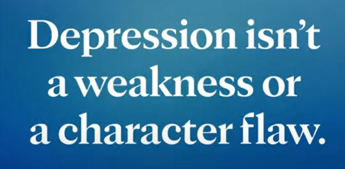
Given the stigma around the 'invisible disorder' of depression, I find myself hesitant to share a personal example of a chronic depression period or its triggering event, proving that inhibitions are real and ingrained by the mental repetition of bad memories. Some bad things do mentally last forever but can become a source of spiritual strength with the right mindset. Necessary suffering can have its benefits.


I recall a chapter of my life when that smelly old depression monkey would not get off my shoulder, no matter how much I tried to shrug it off by trying to focus on blocking thoughts. Apart from a moody obsession with the depression's origin, I was away from home, missing the comfy environs of home and my pillow. I was so depressed, especially at night, that all I could do was sit alone in my hotel room and descend to new depths of persistent sadness. Amazingly, something wonderful called play broke the spell.


At the company where I was training employees, one of them invited me to his home to meet his sweet little family. After a sumptuous dinner there, they invited inexperienced me to join them for a tennis game. Depressed, I had not been into exercise for a long while and felt bad and embarrassed about my appearance. Nevertheless, I was taught tennis training lessons and soon performed well enough to play with my new, endearing friends.


That one experience magically broke my depression and my exercise regime. When I returned home from that project, I reengaged with my favorite physical activities, and my depression lifted like a stormy cloud evaporating. It was as if a heavy weight had lifted from me. At dawn, instead of dreading another day, I began waking up eager for my day's adventures and fun moments. Weird, but true. Movement cured me. An avid outdoorsman, I've continued being physically active without my old mental roommate: heavy and prolonged depression. I've learned that play boosts emotional resilience.


Let's realign our priorities in our confused, conflicted world that values achievement over authenticity. After all, what is the function of a human? Aristotle answered this question with his concept of 'eudemonia,' a combination of living well and happiness, the end' purpose' of being human. Aristotle declared that a human's function is virtuous actions aligned with reason. We seem to value happiness over other selections on the emotions wheel. It just feels so good biochemically, the favored brain chemistry experience.

"He is happy who lives in accordance with complete virtue and is sufficiently equipped with external goods, not for some chance period but throughout a complete life." ― Aristotle, The Nicomachean Ethics

Corporate Cultures Embrace Creative Play

Let's look at examples of several forward-thinking companies embracing playfulness in their corporate cultures. Innovative companies, whose management is not influenced by boomers, embrace practices far beyond traditional wellness programs. They value play, stress reduction, and a healthy workforce.


Cross-Functional Collaboration

In the 1980s, 3M Corporation allowed and even encouraged its engineers and other staff to spend free time each day wandering about visiting each other to share ideas and research findings. This practice, called "Imagineering," was utilized to generate fresh thinking.


Google allows employees' 20% Time' to focus on whatever they want to do, including personal stuff and experimental projects. Steve Jobs famously sparked the imagination of his team by asking them to pause whatever project they were working on and shift to something else to foster a new, creative idea. A big thinker, he sponsored a 'Think Different' promotional campaign to emphasize the uniqueness of his company, Apple. He invented products that the public did not even know they wanted…yet.


Curiously, Jobs' company was in extended legal battles with the Beatles' company of the same name, which was formed in 1968. Jobs sprouted his Apple in 1976. Jobs eventually paid the Beatles a significant sum for the business name rights.

Zappos

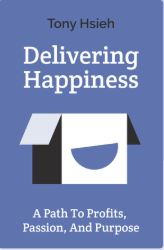
In 1998, Tony Tsieh, founder of LinkExchange, experienced rapid business growth, a bane of companies that boost the bottom-line at the expense of culture. Rapid hiring of many brilliant people meant time was not dedicated to nurturing the culture, which soon became toxic. At the end of 1998, Tsieh sold his company to Microsoft for two-hundred and sixty-five million dollars which freed him up to design a culture from scratch that was carefully built on shared personal values, which included being 'fun and being weird.'


His philosophy of Delivering Happiness led to a double hiring interview process. Even if an applicant passed their first interview, which assessed talents and aptitudes, a second behavioral interview determined how much the applicant's personal values aligned with corporate values and whether the person was hired. All employees, no matter their title, must spend their first two weeks on the front lines in customer service to shape their attitudes and create a happy work climate.


Managing to Have Fun

In his book Managing to Have Fun, Matt Weinstein references how laughter contributed to Norman Cousins' major medical healing experience. Reminiscent of Forrest Shaklee's organic self-healing practices, Cousins chronicles his self-treatment protocols, Anatomy of an Illness as Perceived by the Patient. He credits his healing from systemic paralytic effects of ankylosing spondylitis, a type of spinal arthritis, with the insights he received from Hans Selye, the father of stress management.


Selye pioneered stress management research, although, in his native Austrian tongue, the translation would have been 'effort management,' a slightly different nuance. To combat cellular inflammation, Cousins took massive doses of vitamin C and hours of laughter from the fun prescription treatment of hours of comedy entertainment films. Yay, Abbot and Costello, and the Three Stooges!


From Taylor and Francis Online

Hans Selye's single-author short letter to Nature (1936, 138(3479):32) inspired a huge and still growing wave of medical research. His experiments with rats led to the recognition of the "general adaptation syndrome," later renamed by Selye the stress response, the triad of enlarged adrenal glands, lymph node and thymic atrophy, and gastric erosions/ulcers.


Because of the significant role of glucocorticoids (named by Selye), he performed extensive structure-activity studies in the 1930s–1940s, resulting in the first rational classification of steroid hormones, e.g., corticoids, steroids/androgens, and folliculitis/estrogens. During those years, he recognized the respective anti- and pro-inflammatory actions of gluco- and mineralocorticoids in animal models several years before the demonstration of anti-rheumatic actions of cortisone and adrenocorticotrophic hormones in patients.


Nevertheless, Selye did not receive a Nobel Prize, which was awarded in 1950 to the clinician Hench and the two chemists who isolated and synthesized some of the glucocorticoids. Nonetheless, Selye was internationally recognized as a world authority in endocrinology, steroid chemistry, experimental surgery, and pathology.


He wrote over 1500 original and review articles, singly authored 32 books and trained 40 PhD students, one of whom (Roger Guillemin) won a Nobel Prize for isolating the hypothalamic releasing factors/hormones. Here, we consider the main implications of his first article, which launched the concept of biological stress, and the key ideas and problems that occupied him. Selye considered 'Stress in health and disease is medically, sociologically, and philosophically the most meaningful subject for humanity that I can think of.'" Clearly, laughter is the best medicine!


Selye benefited Cousins with the references to adrenal fatigue in his books. A treatment recipe for adrenal fatigue is included in the index. Let me know how it fares for you. I take it immediately after stage time.

Working Like a Dog

In their delightful and informative book Work Made Fun Gets Done!, Bob Nelson and Mario Tamayo cite numerous examples of companies that feature dogs as part of fun cultures. Trainers should note that the book contains specific experiential exercises and intriguing success story case studies.


We who have been or are dog owners know about dogs and their sense of time, or at least we have some reasonable arguments for why pet dogs go wacko-crazy with joy when their owners come home from a day of work, especially if they've been left alone. If they're that happy to see you, does that mean they've been depressed about missing you for hours? We don't know for sure, but given Norman Cousin's physiologic healing experience, isn't it reasonable to assume that strong, positive emotions create strong and positive physical reactions down to the cellular level? You are good for your dog's health too.


As much as is practical in the workspace, let's insist that on some casual Fridays, we can bring our dogs to work. With the occasional exception of some easily-triggered, moody ones, as in any group, most dogs are social and get along well in packs. Many innovative companies practice bringing pet dogs to work. Considering that the workforce now contains many more millennials than boomers, it is not surprising that companies have not only doggie days but also accommodate their canine visitors with enclosed patio spaces for play, spaces for water, food, rest or napping, and related services.


Outcome studies show that pet dogs in the work environment have multiplicative benefits beyond just being fun. They also improve the physical and mental health of employees, reduce staff conflict, increase productivity, make employees happier, and reduce sick days.


Between 2013 and 2017, pet insurance as an employee benefit grew 134%. It is an attractive feature to prospective millennial employees. Some companies even allow 'paternity' and fraternity leave time, as well as grief time when a pet dies. Pets are loved as family members.

My Comments on Joy                                                              

Joy can result from the emotional effect of internal factors, such as deep feelings of self-compassion, mindfulness, or connection with one's calling or individual purpose in life.


External factors include mutually respectful, nurturing relationships, acts of kindness and generosity, and being spellbound by natural beauty. William Moulton Marston, madman that he was, in his seminal book Emotions of Normal People, said that losing oneself by gazing far off to the horizon, staring at natural beauty is a form of submission of one's will to the hypnotic dominance of nature. According to Marston's psycho-philosophy, willful submission is a form of relaxation that provides joy to the dominant force, as when one submits one's will completely and unconditionally to a lover.


Spiritually minded people cite a personal relationship with God as their source of joy.

Laughter, play, and joy are not just good things. They produce good results in business and life. As you set up your 2025 calendar to schedule your new health regime, remember to protect your fun times and to consider them as meetings with the lead actor in your biography, a very important person: you!


-Frank DeDominicis

REFERENCES

Aristotle's Nicomachaean Ethics                       

https://www.youtube.com/watch?v=o0UozygAZUw


Aristotle Quotes                                                 

https://www.goodreads.com/work/quotes/2919427


Psychology Today – Reclaim Your Joy                       

https://www.psychologytoday.com/us/blog/the-well-being-toolkit/202305/how-to-reclaim-your-playful-self-and-find-more-joy


Nurture Joy                                                                                                                                             

Nurture Joy and Play


The Battle for Your Mind – Mass Brainwashing Techniques

https://www.youtube.com/watch?v=wBDZu8icKrg


Character.ai –Fun and helpful dialogues with a personalized AI

https://www.youtube.com/watch?v=-efK67pWbYk&t=410s


Meditation Rebuilds Grey Matter                                                                                           

Meditation Improves Brain Functioning


Play Deprivation in Children                                                                                                               

Play Deprivation in Children is a Serious Matter


Dr. Stuart Brown - the National Institute for Play                                         

https://nifplay.org/about-us/about-dr-stuart-brown/


Understanding Depression                                 

https://www.youtube.com/watch?v=d7NPnvKFs2Y


Stuart Brown                                                                                               

https://nifplay.org/books/play-how-it-shapes-the-brain-opens-the-imagination-and-invigorates-the-soul/


Millions of Non-Believers Have Dreams about Jesus

https://www.youtube.com/watch?v=pkW2HibvGZI


INDEX

Adrenal Fatigue Repair Recipe

https://drive.google.com/file/d/1jNowJ8mvEWEu3ZlWaL12Vzow_7CyCIeN/view?usp=drive_link

Recent Posts

August 10, 2026
Lest you mistake this article for a Timothy Learyesque' drop-out' message, I'd like to be clear. While retreat is a common tactic in war, it is intended to help regain posture and consolidate power resources, rather than abandoning the battlefield. Thanks to the internet, many of us are bombarded daily with cognitive overload from useless information, if we allow such abuse. Unfortunately, constantly staring at screens has become the norm for many humans. It is estimated that approximately 70% of the world's population, or nearly 5.775 billion people as of July 2025, is online. Is this a good thing or a bad thing?  The answer is that it is both. The internet has dramatically shrunk and flattened our world of communication, which is excellent for collaborative ventures, but which also benefits malicious actions by begrudged individuals.
August 10, 2026
Given the current state of social devolution (a term used to describe the decline in social interactions and relationships,) I'm fortunate to have been rated on a managerial whole-brain profile as an ambivert. Like most people, I naturally feel a strong and continuing need for social connection; however, I can also be perfectly content with solitude and meditation for extended periods. Socializing is natural for me. I quickly and easily build rapport and trust. Thus, my social world acts as a reservoir of good energy to recharge and remind me of who I am whenever I need a confidence boost, as I likewise edify my friends and allies. Being cocooned and busy helping e-commerce businesses, I hardly noticed the lockdown. However, as a friend said, "the pandemic revealed the rocks in the bottom of the creek." One study claimed that 64% of the people surveyed said they find it difficult to talk with people of widely different religious or political views. Why is this so? Perhaps we are so invested in our point of view that we cannot, or do not suspend self-interest for a few minutes to assume a sincerely curious, journalistic attitude like Monica Guzman, author of I Never Thought of It That Way.' She claims, "The friction and heat in a conversation is good. The question is whether it's cooking something or burning something. Standing for what you believe in does not mean attacking people on the other side." Indeed, the lockdown exacerbated the tone of relationships. Those who were close sought to become even closer. Those who were distant increased their transactional tone of communications, a term used to describe interactions primarily focused on exchanging information or completing tasks rather than building relationships. The report reveals a steady downward trend in social connection and civility over the past four decades. This slippery slope trend is borne out in a pithy white paper by the U.S. Surgeon General entitled Given the extensive nature of the paper, I will comment on only a few striking excerpts, which I hope encourages you to read the entire report.
August 7, 2026
The EverythingDiSC™ model reveals that it is natural for individuals to have different levels of various needs. When there is a great disparity in individual needs for dominance and control, interpersonal patterns of pressure and automatic compliance can evolve. This can work wonderfully if the more dominant personality always makes the best decisions, but that is unrealistic.  What if both parties are aggressive drivers who like to win? This can be a serious problem whenever a situation demands that push comes to shove. What do I recommend? Involve a disinterested third party to moderate discussions and to ensure that both parties practice active listening. Agree to effort toward workable compromises, as in peace negotiations.
August 7, 2026
Education: PhD in Psychology from Harvard University in 1929 Director : Public Service: Universal Studios, 1929 Personal Adviser to Carl Laemmle, founder of Universal Studios Lecturer : University of Southern California (circa 1929-1930) Professor : Psychology, Long Island University, 1931-1933 Vice-President of Hampton , Weeks, and Marston advertising agency, 1932. Lecturer : New School of Social Science (New York, 1933-1934) and Rand School of Social Science (New York, 1933-1934) Gillette Ads: He appeared in a 1938 Gillette Blade advertisement in nationwide magazines promoting his "lie detector" and Gillette razor blades.
August 6, 2026
Understanding where you stand within the context of public mood cycles may help you consider the background of others' behaviors. Yes, we're worried, and the biggest worry is uncertainty, so here are facts to help ease your fears. We will touch on only some problematic matters. Drop me a line for any issues I've missed and for which you'd like more information.
August 6, 2026
Chapter I: Understanding Elder Abuse
August 5, 2026
How to Reduce Defensiveness
August 4, 2026
When I began my research for this article, I reached out to thought-leaders in the ageism field for their input on how ageism is not only a globally rampant prejudice but it is also negatively affecting commerce, particularly in human resource hiring and retention practices. Ageism affects job applicants who are over forty years of age. Some companies have even developed prejudicial job applicant screening and hiring practices as showcased in their controversial ‘rebranding programs.’ To begin, let’s expand our thinking about what ‘age’ is for the majority of us who usually refer to it as a number, our chronological age. In fact, there are four other types of age to consider as author Helen Hirsh Spencer explains in her March 5th, 2026 LinkedIn newsletter article, How Do You Define Old Age? She says, “When you’re asked about your age, where is the first place you go? I bet it’s to the number of years since your birth. In other words, you consider your Chronological age. But there are so many other types of age to consider, such as: Biological age refers to your physical well-being and how your body compares to the average person of the same chronological age as you. Functional age is based on your ability to perform a task, job, or activity determined by an assessment. Examples include hearing, seeing, and memory. Psychological age involves learning and memory. Social age refers to your emotional maturity, ability to self-regulate and depends significantly on societal expectations. The US hit an age cliff in 2025 with the number of 18-year-old youths now in decline Fertility rates, and immigration are also on the decline which means there is a need to retain, retrain or engage older workers. Unfortunately, ageism clouds reason.”  Something else to consider about intersecting socio-dynamic trends and their combined impact is that although the future is not predictable, the current hiring trends' trajectory path of hiring youth and firing elders, will become a catalyst for change in a shrinking labor market.
Show More