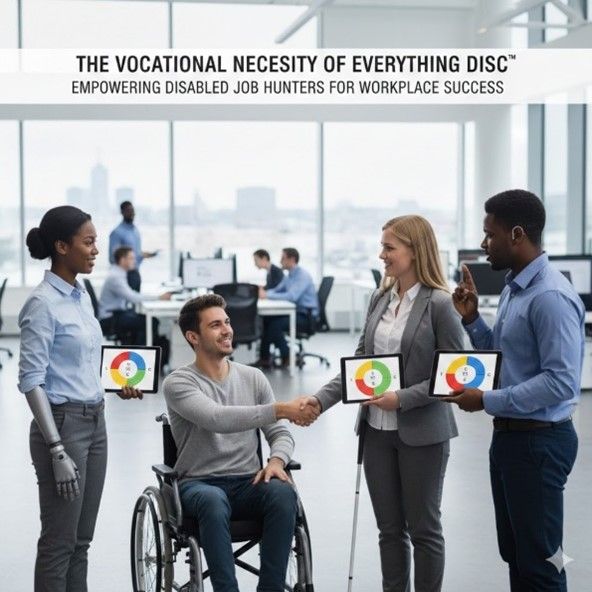
The Vocational Necessity of EverythingDiSC™ - Empowering Disabled Job Hunters

September 25, 2026

Share this article

Animal Nepotism

The practice of favoring relatives or friends for jobs or promotions involves several systemic and organizational disadvantages:

Managers may find it hard to be fair when supervising family members. This complicates reviews, discipline, and pay talks because personal feelings get involved.

Close personal relationships often involve a ‘shorthand’ communication style. This can lead to faster decision-making and a more unified vision at the executive level, as goals and perspectives often align.

What is Nepotism in the Workplace?

Favoritism, Nepotism, and Legacy Employees https://www.youtube.com/watch?v=O-6r_v-tVr0

during shifts. The manager also posted a sexually explicit ‘scoreboard’ tracking staff members' private sex lives in the main office. When the employee complained, coworkers retaliated against him, and he was ultimately forced to resign. Chipotle settled with the EEOC for $95,000 paid directly to him. This is just one example of male sexual harassment cases that seldom make sensational news.

Bridging the Employment Gap with Behavioral Insights

The pursuit of meaningful employment for people with disabilities faces two primary hurdles: acquiring job-specific technical skills and, perhaps more critically, mastering soft skills and workplace interactions. While vocational training often excels at the former, the latter—the complex tapestry of communication, teamwork, and conflict management — remains a significant barrier. This gap is not a deficit in the person but a shortcoming of the traditional training approach, which often fails to equip individuals with a clear, non-judgmental language for self-understanding and behavioral adaptation.


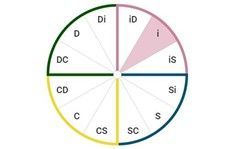
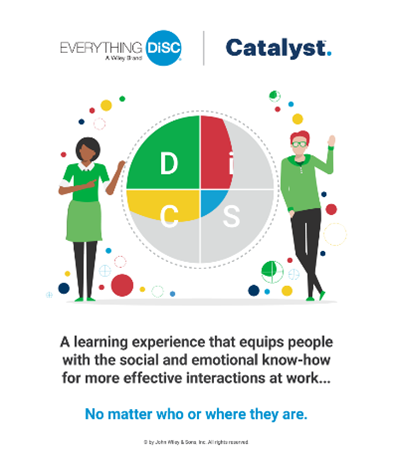
The article argues that EverythingDiSC™ personal profile assessments are essential for vocational programs because they offer a research-backed framework for understanding behavioral styles—Dominance (D), Influence (i), Steadiness (S), and Conscientiousness (C)—which helps stakeholders see how disabled job seekers can analyze their strengths and adapt behavior for better employment outcomes.

...such as correcting AI spelling errors?

Section I: The Vocational Necessity of EverythingDiSC™ for Personalized Training

The necessity of integrating the EverythingDiSC™ profile into vocational training for people with disabilities is rooted in its ability to facilitate deeply personalized and meaningful career planning, a crucial element for ensuring successful employment outcomes. It acknowledges that job success relies far more on behavioral competencies than on technical ones.

1. The Primacy of Soft Skills in Retention

Workplace success and retention are overwhelmingly driven by soft skills—the very behaviors EverythingDiSC™ measures. Research conducted by Harvard University, the Carnegie Foundation, and Stanford Research Center concluded that 85% of job success comes from strong soft and people skills, while only 15% depends on technical knowledge. Emotional intelligence is becoming increasingly important as a job qualification, surpassing skills and experience. DiSC handles this with a profile called Agile EQ.

For the disabled job hunter, who may already face bias during hiring, mastering these interaction skills is not optional; it is the core differentiator for longevity and advancement in this work. The EverythingDiSC™ concept of behavioral fit offers hope that programs can strategically match individuals with work environments where their natural behaviors thrive, inspiring optimism about long-term employment success for disabled job seekers.

While this instrument is not to be used for employee pre-selection, it is a powerful self-awareness resource for job applicants to help enhance relationship-building after hiring.

2. Establishing a Common, Non-Judgmental Language that Dispels Prejudice

To me, utilizing a nonjudgmental DiSC language to describe human behavior is DiSC’s most valuable aspect. I believe that the majority of our everyday communication problems stem from our not knowing how to talk to each other, especially when difficult emotions are percolating. When angry, even the smartest among us tend to direct their anger at the person rather than at the person's behavior. This is because emotion, tied to our values, drives our behavior, not reason. We feel first, then rationalize reasons for our behavior.

In actuality, with the proper attitude and preparation, we can dialogue on the most sensitive subjects if we consciously agree to demonstrate respect for others while speaking, even when tempers are high, and fingers are on the triggers of our proverbial guns. However, with DiSC we can behave in ways that increase positive emotional rewards and inhibit the sparking of negative emotional impacts. (See my video on ‘Productive Conflict.’)

Many US legislators (and others elsewhere, too) speak disrespectfully. What is most disturbing to me is that their bad behavior is now accepted as the norm, to be expected, and even entertaining when delivered by popular pundits and comedians. What poor role model examples for our young children! If our children used potty-mouth language daily and constantly discredited and insulted each other, we'd reprimand them. But instead, political leaders' bad behavior seems to have sanctioned similar behavior among their peers and the hoi polloi.

Perhaps I am in a minority, because I know few others who believe it is self-defeating to anger your enemy, as biblical shepherd and king David said, "Do not gloat when your enemy falls; when they stumble, do not let your heart rejoice." (Proverbs 24:17 NIV) Contemplation on this point will, in time, reveal why it is self-defeating to slander others, even if they deserve it. Think. If you don't yet know the answer, you are welcome to babble with me.


A key challenge in training is addressing behavioral patterns that may be perceived negatively in the workplace (e.g., being overly quiet, highly critical, or too demanding). For someone with a disability, these behaviors are often unfairly attributed to their condition rather than their personality, a common fault, a prejudicial error. They are not just 'the problem employee’, but ‘the disabled person is dysfunctional,’ reinforcing stereotypical prejudices. Prejudice can be veiled as a ‘hidden thought’ in CBT language.


Lately, new thinking is ‘focus on and capitalize on your strengths.’ However, I must warn you that any strength overextended becomes a weakness. For example, it's excellent that D-style people can push through obstacles aggressively. They create alternative problem-solving approaches by blasting through perceived brick walls of ‘impossibilities,’ but overdoing it can make them seem insensitive and power-addicted. Likewise, it's beneficial that i-styles can be emotional to a degree, but too much emotionality, especially in a job interview, can be disastrous.

EverythingDiSC™ strips away prejudicial ignorance bias. It provides a standard, neutral language for discussing everyone’s behavior. Instead of telling a person that they are "slow and passive," a trainer can explain that the individual's 'S' (Steadiness) style prioritizes cooperation and stability, which manifests as a thoughtful, measured pace. Similarly, being "overly critical" can be reframed as an asset—a strong 'C' (Conscientiousness) style prioritizing accuracy and quality. This reframing is transformative: it turns perceived weaknesses into understandable, manageable, and adaptable professional characteristics, dramatically improving the trainee's self-concept and engagement. Enhanced self-awareness and self-esteem levels are DiSC perks.


DiSC has helped me reach a new level of cerebral intimacy with others. Now I know how to actively demonstrate that I respect differences and am open to discussing the most challenging subjects, even if and when the other person is behaving destructively. With my DiSC self-knowledge, I can remain composed, confident, and calm even in a hostile setting. "A gentle answer turns away wrath, but a harsh word stirs up anger." (Proverbs 15 NIV)

3. Personalizing the Training Methodology and Learning Styles – for trainers

EverythingDiSC™ informs the how of training itself, moving away from one-size-fits-all instruction. The new trend in training is to move away from canned presentations and develop more specialized training that addresses immediate team climate needs and provides follow-up freebies that deliver a bigger bang for the training buck.


EverythingDiSC™, through the profile report and the Catalyst platform, reveals preferred learning and communication styles. Thus, in-house trainers can adjust their delivery for ongoing training. Also, the Catalyst platform contains multiple educational resources for self-understanding and continuing education.

For a D-style (Dominance): Training can be fast-paced, results-focused, and centered on challenges. The D-style learner wants the solution and the outcome immediately. Trainers need to acknowledge this preference and ask Dominant styles to practice patience, which they generally lack.


For an I-style (Influence): Training can be collaborative, enthusiastic, and centered on group activities and presentations. The i-style learner thrives on positive reinforcement and storytelling. Disabled i-style folks must become more aware of and control their tendency towards loquaciousness. For a job interview, they should provide concise, bottom-line responses to questions rather than telling long, drawn-out stories. Short sentences suffice.

For an S-style (Steadiness): Training must be consistent, supportive, and involve clear, step-by-step procedures. The S-style learner requires minimal risk and maximum preparation. If you are disabled and a job interviewer shows signs of S-style behavior, slow your speaking pace and emphasize specific important words. Disabled job applicants should ask questions and demonstrate a concern for policy and procedures.

For a C-style (Conscientiousness): Training needs to be detailed, logical, and provide ample time for analysis and questioning. The C-style learner needs the logic and proof behind the methodology. If you are a disabled person interviewing for a C-level position, use a logical framework to explain your strategies, rationale, and conclusions in careful, measured detail. Prepare your script for predictable questions.


By tailoring different modules of the vocational curriculum to an individual's EverythingDiSC™ style, trainers ensure that the skills are absorbed more efficiently and comfortably, maximizing the return on investment for both the program and the trainee. This personalized approach respects the cognitive diversity inherent in the disability community while leveling the playing field. Trainers should be aware that their personal styles affect how they train others.

EverythingDiSC™ and Disabilities

The core principles of EverythingDiSC™ are built on self-awareness, improved communication, appreciation of differences, reduced interpersonal tension, and their application to all individuals.


Non-Discriminatory Use: The terms and conditions for EverythingDiSC™ explicitly state that the materials may not be used to promote discrimination based on factors such as disability, race, gender, or age.


Focus on Behavior, Not Ability: EverythingDiSC™ focuses on typical patterns of behavior and communication styles (Dominance, Influence, Steadiness, Conscientiousness), not a person's cognitive or physical abilities.


Avoids Labeling: The program actively discourages ‘pigeon-holing’ or labeling individuals, emphasizing that everyone can ‘stretch’ beyond their natural style. This principle applies universally regardless of physical or mental capabilities.


Accessibility: The program is offered through an online plat and in-person, virtual, or hybrid training sessions. Teams can survey team maps in real time to assess their collective strengths and weaknesses.


EverythingDiSC™ is designed as a neutral, development-focused tool that does not correlate with disability status, and its appropriate use is intended to be inclusive of all, regardless of disability status. Now all parties can become DiSC-abled.

The need for a transformative approach is urgent, as data shows disabled individuals face a 28 to 30 percentage point lower employment rate than non-disabled peers, underscoring the societal and vocational importance of adopting the world's most trusted behavioral instrument, EverythingDiSC™, which effectively addresses this disparity.

The Most Trusted Non-Clinical Personality Profile in the World

Over 70 million have taken the profile. Another million do so every year. For decades, millions of couples have used DiSC in pre-marital counseling settings to provide an opportunity to see the real person beneath the fog of emotional intoxication during the early days of idealized romanticism. That’s when we first meet someone and tend to put our best foot forward in order to make a good first impression. More so, we don’t want to expose our petty preferences, faults, and idiosyncrasies. Disabled folks who take the profile will likely experience a boost in self-confidence and self-esteem, both of which are absolutely necessary for resilience in the job hunt

Disabled Job Hunters

Section II: The Competitive Edge in the Job Hunt and Interview

For a disabled job hunter, the interview is the single most critical and often most stressful point of the employment journey. EverythingDiSC™ provides actionable strategies to minimize stress and maximize persuasive impact, turning self-awareness into a competitive advantage. It also informs us about our resistance to specific, recommended behavior changes.

In fact, the Catalyst platform allows for a blind comparison of disabled job seekers' profile styles with those of others who may not be present, providing a great rehearsal opportunity for the otherwise nerve-wracking job interview. This type of rehearsal trains the job applicant to notice behavioral signals, 'tells' from the job interviewer, that help them adapt to the interviewer's style.

1. Tailoring Resumes and Cover Letters to Behavioral Strengths

The EverythingDiSC™ profile helps individuals articulate their non-technical contributions in compelling, style-specific ways, moving beyond mere duties to highlight professional impact:

D-Style: Highlights quantifiable results, decisiveness, and quick action. (e.g., "led initiative that reduced processing time by 15%"). The D-style applicant frames their disability or need for accommodation in terms of efficiency and output, which speaks to resume evaluators who have D-styles.


i-Style: Emphasizes collaboration, enthusiasm, and relationship-building. (e.g., "Excelled in client-facing role, driving team morale and social engagement"). The i-style applicant frames their need for support as a means of maximizing their social capital and interaction time. i-styles are usually the glue that keeps good teams stuck together, so this natural ability to work well in teams should be highlighted on resumes.


S-Style: Focuses on consistency, support, and stable execution. (e.g., "Provided reliable administrative support, ensuring consistent workflow and team harmony"). The S-style worker frames their work history in terms of dependability and long-term commitment. S-styles are the peace-loving, family-oriented folks who prefer smooth, efficient performance processes.


C-Style: Stresses accuracy, analysis, and quality standards. (e.g., "Developed detailed auditing procedures, increasing compliance precision by 10%"). The C-style applicant frames their need for structure as essential to maintaining rigorous quality control. The C-style disabled job applicant can become self-conscious, preoccupied with, and distracted by their disability and concerns about others’ prejudices, instead of focusing on how much they value accuracy and precision, a valued attribute. The very format and content of their resume can clearly demonstrate this.


A behavioral framework moves the job applicant beyond generic keywords, enabling them to present a cohesive, confident, and professional narrative tailored to the hiring manager's specific needs, unbeknownst to the interviewer. (teeheehee…)

2. Interview Strategy: Reading and Responding to the Interviewer

The most sophisticated application of EverythingDiSC™ in the interview process isteaching the job hunter to intuitively and quickly ‘style-read’ theinterviewer. By observing the interviewer's pace, body language, and focus, thecandidate can adapt their responses in real time, thereby increasing rapportand clarity. This is often referred to as ‘flexing’ one's style—a core skill ofemotional intelligence.


On the Catalyst platform, you can create dyad comparison reports for differentinterviewer styles and practice role-playing, alone or with a friend, which canyield valuable results.

Interviewer Styles -  What They Look Like and How to Adapt

D - (Dominance) Fast-paced, direct, results-focused. Get straight to the point. Be concise. Focus on past results and how you overcame challenges. Avoid excessive detail. Use strong, decisive language.


i - (Influence) Enthusiastic, expressive, friendly, chatty. Be engaging and positive. Build rapport first. Focus on how you work with others and on your contributions to team culture. Share brief, positive anecdotes.


S - (Steadiness) Warm, methodical, listens patiently. Be sincere and reassuring. Stress your consistency, reliability, and loyalty. Emphasize commitment to the team and process. Speak calmly and deliberately.


C - (Conscientiousness) Reserved, asks detailed, specific questions, focused on precision. Be precise and logical. Provide data and facts. Focus on accuracy, procedures, and quality standards. Use structured responses, such as the STAR method.

The STAR Method

S - Situation: Set the scene. Briefly describe the context of a specific event or challenge you faced (e.g., a complex project, a team conflict).


T - Task: Explain your responsibility or goal in that situation (e.g., to resolve the conflict, complete the project on time).


A - Action: Detail the specific steps you took. This is the most crucial part, highlighting your skills and initiative (e.g., "I scheduled a private meeting to understand their perspective").


R - Result: Share the positive outcome of your actions, ideally with quantifiable results (e.g., "This led to a 15% increase in project completion speed" or "we improved team collaboration").


This behavioral flexibility is a critical skill for all job hunters. Still, it is an essential competency, especially for disabled candidates, allowing them to demonstrate high social and emotional intelligence (EQ) and to mitigate any pre-conceived notions about their interaction style.

3. Strategic Self-Advocacy and Reasonable Accommodation Requests

The EverythingDiSC™ framework empowers the individual to request reasonable accommodations not out of need, but from a position of optimal performance. This shifts the dialogue from legal compliance to a business case for productivity.

For example, instead of saying, "I need a quiet office because of my condition," a person with a strong C-style (who also has a disability) can assert: "My work requires a high degree of analytical focus and accuracy. As someone who prioritizes detailed quality (a high C), I perform best and deliver the highest value when I have a focused, low-interruption environment to execute on complex data analysis."


This careful framing aligns perfectly with the well-documented business benefits of reasonable accommodations, including increased employee productivity and retention, as well as reduced absenteeism. Think before you speak. As ever, language can be your ally or enemy. This approach reframes the accommodation as a means to maximize the employee's behavioral strengths and to ensure peak productivity, making the request a logical business proposition rather than a burden.

DiSC-abled Performance Review

Section III: On-the-Job Success and Long-Term Retention

Vocational success is measured not just by placement but by retention. EverythingDiSC™ is a valuable tool for sustained workplace success by providing strategies for managing interpersonal dynamics and personal stressors. In fact, the Catalyst platform measures on a sliding scale how much resistance you might have to implementing a suggested, improved behavior. That way, you can take baby steps and gradually move out of your comfort zone.

Post-hire, EverythingDiSC™ serves as a visual online map for interpersonal engagement. By knowing their own style and recognizing their colleagues' styles, employees with disabilities can tailor their daily interactions. EverythingDiSC™'s most significant value lies in providing a neutral framework for improving team cohesion, which organizations often report is critical for complex tasks. This applies to all teams, independent of disabilities.


This understanding translates into specific actions:


Communication with a D-Boss: Be brief, present solutions, and focus on outcomes. Don’t waste their time with excessive small talk. Stay on point. Make talk results-oriented.


Motivating an i-Colleague: Give them public praise and space to contribute ideas; keep the energy light and positive. They tend to be expressive, so compliments are motivators.


Delegating to an S-Coworker: Provide ample time, show appreciation, and ensure they have adequate support. Never spring a significant change on them without notice.


Collaborating with a C-Team Member: Respect their need for accurate data, provide detailed reports, and avoid emotional appeals. Focus on the facts and process details.


This move toward mutual understanding fosters psychological safety, reduces the friction that often leads to conflicts, and builds the supportive relationships necessary for long-term career growth.

2. Identifying and Mitigating Stressors

Every EverythingDiSC™ style has unique stressors. Understanding this allows an employee to proactively manage their emotional and mental well-being, a crucial factor in maintaining consistent performance, especially when managing a chronic condition or a cognitive difference.

In the REFERENCES section below is a video link on respect and reconciliation that identifies our destructive tendencies.

EverythingDiSC™Style Primary Stressor Mitigating Strategy (Your Self-Management)

Greatest Fears of the Four Major Styles:

D - Loss of power and control, being taken advantage of, inefficiency. Focus on delegating tasks and seekingout challenges. Set clear, firm boundaries regarding task time, money, andauthority.


I - Social rejection, loss of influence, being ignored. Proactively seek social interaction andopportunities to present ideas. Find roles that maximize public visibility andenthusiasm.


S – Change and instability, rapid change, conflict, sudden demands. Establish consistent routines, createclear boundaries, and manage changes one step at a time with thoroughpreparation.


C - Criticism of work quality, inaccuracy, non-compliance, and sloppiness. Establish rigorous quality checksand ensure procedures are clearly defined and followed. Ask for clarificationand structure whenever ambiguity arises.


For individuals managing disabilities that involve emotional regulation, anxiety,

or sensory sensitivities, this level of detailed self-knowledge is profoundlyempowering. It provides a clear, rational pathway to manage personal reactionsand advocate for structural support before stress becomes debilitating. Notonly is this self-knowledge good for employability, but it will also positivelyaffect all your relationships.

3. Developing Agility and Resilience (Behavioral Stretch)

TheEverythingDiSC™ model is not a box; it's a compass. It illustrates that everyperson can use all four quadrant styles when necessary. Vocational traininguses this to teach behavioral stretch—the abilityto temporarily shift to a less-preferred style when the situation demands it.This means feeling uneasy, being a bit outside one's comfort zone for a while,and behaving in a way that does not feel natural at first, but instead feelslike acting.


Thistolerance for enforced behaviors fosters resilience and agility, enabling theemployee to function effectively across these examples of diverse workplacedemands:

Stretchto 'D':When a colleague needs patient, empathetic support, the D-style worker mustslow their pace and focus on listening rather than fixing. Patience is achallenge for D-styles.


Stretchto 'i':When reviewing a complex document for errors before submission, the i-styleworker must temporarily suppress their desire for expressiveness and focus on meticulousdetail.


Stretchto 'S':When a deadline is missed, and decisive action is required, the S-style workermust temporarily put aside their need for consensus and assert control, maybeeven be a bit bossy.

Stretchto 'C':When mediating a team disagreement or cheering on a colleague, the C-styleworker must temporarily embrace expressiveness and emotion, even when it'suncomfortable.

Thisbehavioral adaptability is arguably the most valuable soft skill in the modernworkplace. It is crucial for career progression, particularly for disabledworkers who may already be expending cognitive energy on accommodation and taskmanagement.

DiSCabilities influence all relationships

Section IV: The Holistic Impact: Beyond the Paycheckostility Fueled Anti-Catholic Conspiracy Theories

Benefits of EverythingDiSC™ extend far beyond the nine-to-five. For people with disabilities, the insights gained contribute to overall quality of life, independent living, and greater self-determination, not to mention it can be fun to discover new things about oneself and others.

1.Elevating Emotional Intelligence (EQ)

EverythingDiSC™is an accessible, practical primer on emotional intelligence. Your completeemotional intelligence evaluation can be achieved through the Wiley Agile EQ™ profile, which builds on DiSC temperaments,and through Productive Conflict™, which explains the triggersof our destructive behavior. DiSC language transforms abstract concepts like'empathy' into actionable observations (e.g., "My supervisor is ahigh 'S', so I should show more appreciation and speak softly.").This systematic approach to social interaction is more straightforward to graspand implement, leading to:


Improved Self-Regulation: By understanding their own stress triggers (D, i, S, or C), individuals gaincontrol over their emotional responses and know when to self-advocate for abreak or a change in routine.


Enhanced Social Awareness: The ability to accurately predict the needs and reactions of others, leading tomore meaningful and stable professional and personal relationships. Sensitivitygrows.


Improved Self-control: The core profile will provide helpful and actionable insights. The Agile EQ™ version of the DiSC profile will help youget control of your irritation and anger triggers by consciously checking yourattitudes, uncovering 'hidden thoughts,' andemploying CBT (cognitive-behavioral therapy) skills to identify, manage, andcontrol your automatic thoughts and disruptive emotional responses.

2.Family and Relationship Dynamics

Theprinciples of EverythingDiSC™ are equally applicable to personal relationships.When a person with a disability, their family, and their support network allshare the EverythingDiSC™ language, it reduces tension. As an option, I addprofiles for significant others who are not present, along with compatibilitydata.

Forexample, a parent of a child with a disability who understands their child'sstrong 'C' tendency will recognize that 'stubbornness' is actually a need forhigh quality and accuracy, leading to more productive, less conflict-riddeninteractions at home and in community settings. This shared language minimizesmisinterpretations and allows caregivers to provide support aligned with theindividual's authentic behavioral style.

Onceagain, I firmly believe that most people do not know how to talk with eachother, and for predictable reasons. Given the prevalence of social misbehavioron and off the web, many people now accept crude language and bad behavior asthe norm. However, learning how to do the DiSC-stretch is like apositive-attitude workout for the mind that changes all that. Instead ofreacting in a knee-jerk way to others' negative words, we can pause andconsider our responses, thereby reducing relationship tensions.

3.Empowerment in Self-Direction and Service Planning

EverythingDiSC™provides a foundational layer of self-understanding that is valuable forself-directed service models and individualized educational planning (IEP) intransition services. When planning for independent living, a person canconfidently articulate their environmental and relational needs based on theirstyle:

"Itend to push, push, push, without breaks, and appreciate others whooccasionally put the brakes on and help me to refocus (being a D-style)."


"Ineed a support worker who has a strong 'i' style to help motivate me and keepmy energy up (as I am a low-i)."


"Ifeel super motivated when my teammates stay in their lanes, complete taskspromptly, and we all feel proud of our unified team effort (as anS-style)."


"Ineed my living space organized with clear systems and detailed procedures (as Iam a high 'C')."


Thisself-knowledge allows them to be the primary expert in their own support plan,truly driving the services they receive and ensuring that support aligns withtheir preferred way of operating, maximizing personal control andself-determination.

The Twelve Classic Personal ProfileStyles

SectionV: EverythingDiSC™ Styles as Inherent Professional Assets

To persuasively argue for EverythingDiSC™'s value, one must articulate that no style is inherently better or worse—only different. There are no qualitatively 'better' profile styles. The four EverythingDiSC™ styles, far from being obstacles, represent four powerful, distinct forms of professional competence, all of which are essential for a robust organization. An effective team represents all four qualities. An effective leader practices all four styles.

1. The Power of Dominance (D-Style)

The D-style individual is direct, decisive, and results-focused. They thrive on challenges and possess a natural drive to solve problems quickly. They are characterized by their assertiveness and their ability to take charge. D's can also be tricky because if they remain quiet and reserved in meetings, others will not perceive that they secretly hold their velvet hammer of dominance.

Professional Asset: These are the people who will break through bureaucratic red tape, take ownership of a challenging task, and drive projects across the finish line. Their need for control translates into robust accountability and leadership potential. In a vocational context, a D-style individual can be trained for management, project coordination, or high-stakes problem-solving roles where decisiveness is paramount. They provide the necessary momentum to achieve objectives. They benefit from taking steps to not appear insensitive, such as asking ‘get-to-know-you’ questions occasionally.

2.The Power of Influence (i-style)

The i-style individual is enthusiastic, outgoing, and relationship-focused. They are motivated by social recognition and enjoy collaboration. They bring energy and optimism to the work environment. They are the organizers of the office party, company picnic, and group recognition and entertainment events.

Professional Asset: These individuals are natural communicators and networkers. They excel in any role requiring high public interaction, creativity, or team motivation—such as customer service, human resources, or marketing. Their gift is in building rapport and persuading others, transforming a potentially isolated worker into a vital, engaging member of the team culture. They are the essential link for internal and external communication. Love them up.

3.The Power of Steadiness (S-Style)

TheS-style individualis patient, reliable, and supportive. They value consistency, cooperation, andmaintaining a stable environment. They are thoughtful listeners and dedicatedteam players.

ProfessionalAsset:The S-style is the bedrock of any functioning team. They are highly reliable,excellent listeners, and fiercely loyal. They excel in roles requiringconsistency, patient interaction, or long-term operational stability—such asadministrative support, technical support, or quality assurance. Theircontribution is dependability and harmony, providing the predictable structurethat many organizations rely on. They are the stability factor that allowsimpulsive D and i styles to operate without chaos.

4.The Power of Conscientiousness (C-Style)

TheC-style individual is analytical, detail-oriented, and systematic. They are motivated by theopportunity to use their expertise and ensure high quality. They focus onlogic, facts, and precision above all else. In an extreme circumplex model,they might be perceived as cold and uncaring.


Professional Asset: These are the experts in precision and procedure. They excel in roles requiringrigorous attention to detail, logic, and accuracy—such as data entry, auditing,regulatory compliance, or programming. Their need for accuracy translatesdirectly into risk mitigation and superior quality control, making themindispensable in environments where mistakes are costly. They ensure that goalsare met with integrity and standards are maintained.

Conclusion: EverythingDiSC™ as the New Standard for Empowerment for Disabled Job Hunters

The EverythingDiSC™ personal profile is not a luxury or a supplemental exercise for disabled job hunters; it is a foundational element of competitive employment training. For a disabled community that often has to fight harder to be seen, understood, and valued, EverythingDiSC™ offers the ultimate tool for strategic self-positioning.


By providing individuals with disabilities the vocabulary to understand their own strengths, the strategy to adapt their behavior in interviews, the resilience to manage workplace stress, and the framework to advocate for necessary accommodations, EverythingDiSC™ transforms the job hunt from a daunting compliance exercise into a focused, powerful campaign of personal and professional empowerment. The demonstrated business benefits of using behavioral insights to improve team dynamics and to provide accommodations that boost productivity only reinforce this argument with a strong, bottom-line, financial case. My training is interactive and fun. Participants complete a personal action plan and have lifelong access to the Catalyst platform.

We must recognize that the most significant determinant of vocational success is often not technical skill, but the ability to navigate the complex human landscape of the workplace.

Integrating EverythingDiSC™ training ensures that people with disabilities are not only skilled workers but self-aware, adaptable, and articulate professionals, ready to take their rightful place in the workforce and thrive. Thus, training programs have a vocational necessity and a moral imperative to adopt EverythingDiSC™ as the standard for empowerment.

RERERENCES

Valuing Respect and Reconciliation – a comprehensive review of DiSC Compatibility Factors and Tension Points – Frank DeDominicis and Gregg Ward https://www.youtube.com/watch?v=hiPb8Uj0edI&feature=youtu.be


Disability pay and employment gaps. Trades Union Congress. "The employment rate for disabled people is 28.4 percentage points lower than for non-disabled people (53.4% compared to 81.8%)." TUC. (2024) https://www.tuc.org.uk/research-analysis/reports/disability-pay-and-employment-gaps


The importance of soft skills in the workplace. University of Sunderland. (2024). Citing research by Harvard University, the Carnegie Foundation, and Stanford Research Centre. Retrieved from https://online.sunderland.ac.uk/the-importance-of-soft-skills-in-the-workplace/


Six Business Benefits of Reasonable Accommodations. Citing a Job Accommodation Network (JAN) report, which states that "53% of surveyed businesses reported that accommodations improved employee productivity." PRIDE Industries. (2024) https://www.prideindustries.com/our-stories/six-business-benefits-of-reasonable-accommodations

About Frank DeDominicis

Frank DeDominicis is a highly regarded business behavioral strategist, a vintage EverythingDiSC™ trainer, executive coach, and dynamic keynote speaker dedicated to empowering individuals and transforming organizational leadership. Frank is a subject-matter 

Frank DeDominicis is a highly regarded business behavioral strategist, a vintage EverythingDiSC™ trainer, executive coach, and dynamic keynote speaker dedicated to empowering individuals and transforming organizational leadership. Frank is a subject-matter expert in the application of the EverythingDiSC™ models, including its sister profiles, 'Agile EQ™' – a DiSC-based emotional intelligence profile that explores the predominant emotional temperaments of the styles- and ‘Productive Conflict™,’ which mitigates interpersonal damage.

Frank provides world-class, evidence-based training and resources to accelerate business growth, boost team productivity, and enhance personal fulfillment. His expertise is particularly relevant in environments requiring tailored communication strategies and effective conflict resolution. He is an expert in designing customized, transformational training programs that produce results.

With an approach characterized by fun interactivity and interdisciplinary collaboration, Frank helps leaders, teams, and individuals navigate the complexities of human interaction. His work is centered on using the EverythingDiSC™ framework to unlock hidden potential, enabling participants to develop critical skills in basic emotional intelligence, productive conflict management, and strategic growth planning. He guides organizations in untangling complex ‘Gordian knots’ of interpersonal compatibility and predictable style tension points that often hinder productivity, consistently translating behavioral insight into tangible business outcomes.

Frank’s passion for personal growth extends beyond the corporate sphere, where he focuses on supporting marginalized communities in developing crucial self-advocacy and social skills. As a former Big Brother and a Global Goodwill Ambassador, he embodies a commitment to personal development and positive change. He firmly believes that deep self-awareness, driven by behavioral insight, is the essential precursor to effective team-building and sustained success, equipping individuals with the tools to adapt their communication and to thrive in competitive employment settings, not to mention achieving targeted personal and professional goals. He claims that, “most people really do not have a clear understanding of their strengths and weaknesses, an underlying cause of relationship issues.”

Augustinian Monk Martin Luther and Beer

Martin Luther's relationship with alcohol was reflective of the cultural context of his era. In 16th-century Germany, beer was a staple of daily life, often consumed instead of water due to water quality concerns. Like Benjamin Franklin, Luther acknowledged beer's role in society and even relished it, famously stating, "Whoever drinks beer, he is quick to sleep. Whoever sleeps long, does not sin. Whoever does not sin, enters heaven!" This mirthful comment shows his acceptance of moderate drinking as part of a balanced life.

A Competitive Edge: Fair Warning

C™ is the original product, the real thing. Beware of look-alike DISC profiles. You can sometimes tell the difference because the 'me-too' DiSC companies capitalize the 'i,' and some of their claims directly conflict with core research. I've studied DiSC research for over four decades and know the intricacies of the three levels of DiSC interpretation: basic definitions, compatibility, and depth research on each of the twelve circumplex model profiles. Catalyst.com offers self-paced online learning resources that facilitate deeper self-understanding.


This is not to say that non-Wiley-certified trainers have not made excellent extrapolations about Dr. Marston's core work, which is revealed in some of their videos. However, there can be only one Highlander

Recently, I watched a YouTube video from a popular cosmetics company in which its trainer had just completed her first DiSC training. She behaved like she was high as a kite on discovery dopamine, interferons, and endorphins. She claimed that we have 'two personalities', which is crazy talk.

DiSC helps you understand your natural style. And it shows your stress profile, with the DiSC Productive Conflict™ profile that reveals how you behave instinctively and spontaneously when under pressure and don't have time to think about it; i.e., when you hit your breaking point and explode… and break something… like trust. It's good preventative medicine, even if you're not a power-mad, runaway high D.


Another error by a DISC training company is about the numerical prevalence of the individual styles. One DISC organization based its correlations on only a few thousand profiles. The seminal DiSC research pin map shows that society is generally evenly distributed among all four styles. Generally speaking, you are just as likely to encounter any one of the styles in Western culture.

Recent Posts

September 25, 2026
I will start with only one word. Not a headline, not a statistic, only a single word that followed me around a conference room in downtown Denver in May of 2026 as I mingled with Colorado’s largest manufacturing executives. I was participating in the 52nd World Trade Day Conference, the largest international gathering of international trade professionals, policymakers, and business leaders. This year’s theme was blunt: “A New Era in Trade: Globalization in Question.” The keynote wasn’t about growth strategy or market expansion. It was titled “Safeguarding Trade in a Weaponized World Economy.” Every speaker I listened to and every hallway conversation I eavesdropped on kept circling back to that same word. Not tariffs, not GDP, not affordability, but ‘uncertainty.’ The word ‘uncertainty’ isn’t just a trade-conference buzzword. It’s showing up everywhere. Meanwhile, economists who track something called the World Uncertainty Index — a measure built from language in global news coverage — clocked its highest reading in more than three decades of data earlier this year. The index’s newest national poll found that nearly half of adults say they’re more anxious than they were a year ago — and when researchers asked people what’s driving that anxiety, the economy topped the list, with roughly seven in ten adults reporting they feel anxious about it. And uncertainty is not confined to our minds and our markets. It’s in the terra firma beneath us. Geophysicists studying the San Andreas and San Jacinto faults in Southern California recently reported that the two faults are carrying more accumulated stress than at any point in the last thousand years. If they were to rupture together through the Cajon Pass, researchers estimate the resulting earthquake could reach magnitude 7.4 to 7.8 — enough to simultaneously disrupt highways, rail lines, and energy corridors across multiple cities.
September 25, 2026
Arthur Schlesinger Schlesinger was born in Columbus, Ohio, the son of Elizabeth Harriet (nee Bancroft) and Arthur M. Schlesinger (!888-1965), an influential historian at Ohio State University. His paternal grandfather was a Prussian Jew who converted to Protestantism and married an Austrian Catholic. According to family tradition, his mother, a Mayflower descendant, was of German and New England ancestry and a relative of historian George Bancroft. Schlesinger practiced Unitarianism. As a writer, I am confronted with three problems: 1. Everyone reading this has unexamined biases. 2. Embedded biases can color how one perceives stories of religious intolerance. 3. Gross ignorance. I am figuring out how to please everybody who reads this; however, I welcome intelligent argument if you think I'm off. I do not proselytize for any religion but hope every individual will map their path of faith, even if it is a path of no faith. Just identify your spiritual horizon and head for it. Simple. What I know is all that I know, a finite library of cerebral knowledge. Outside that subjective reality lies a vast universe of ignorance, my reason for open-mindedness and humility. At my core, I'm a perma-skeptic who continually questions everything, especially long-embedded personal 'truths' and hidden biases. Notwithstanding actual apparitions, I tend not to believe abstract concepts unless they are carefully and logically derived through reason and are perceived by my senses. If I think I hear divine voices speaking to me, am I crazy? Or am I receiving the voice of God speaking to me through the megaphone of conscience, just like Joan d'Arc? I don't know. That's why I explore this subject with you. I'm blessed or cursed with being born with an extreme curiosity about everything and how everything indescribably connects to everything else. Please receive this report for awareness, not necessarily agreement with every point. I could make mistakes, so please don't crucify the piano player. Aware that this report will be read by everyone, from non-practicing or devout Christians to befuddled agnostics and confirmed atheists, I strive to communicate in a way that reports, educates, and contributes to understanding differences and their core reasons. Knowing how belief systems directly affect one's worldview and behavior is helpful as you may lead, manage, or interact with people. Are Catholics more hopeful because a scapular guarantees salvation? Are Protestants more negative because of a focus on our inherently sinful nature? Remember that I am not a theologian, so feel free to challenge whatever you disagree with or want to provide correction. I'm a teacher, not a preacher. On all matters, I take a Socratic approach, always searching for higher-quality questions, as in AI prompt engineering.
September 25, 2026
Historical Context and Ubiquity
September 25, 2026
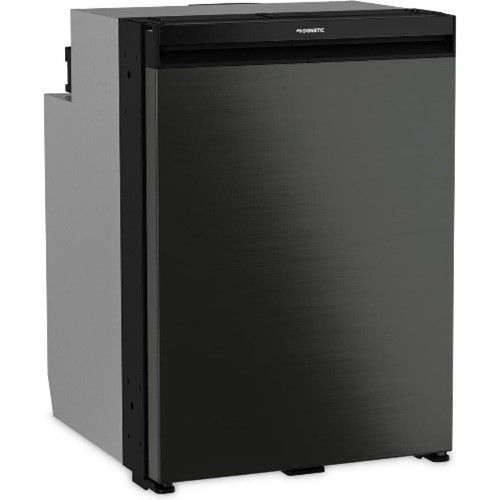
My Refrigerator as Metaphor for Tariff Stressors
September 24, 2026
Men Being Harassed at Work by Women
September 24, 2026
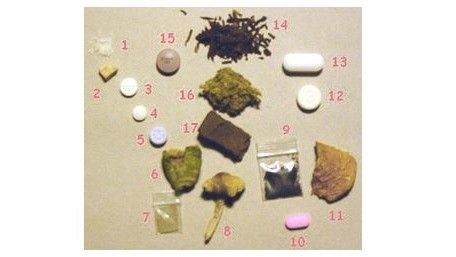
How many psychoactive drugs can you identify?
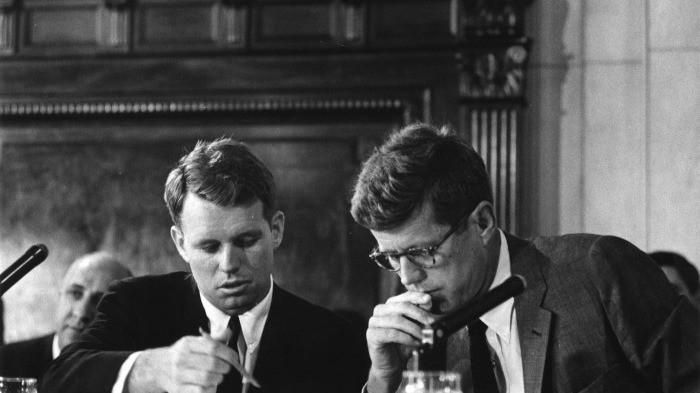
John F. Kennedy and Robert F. Kennedy at a congressional hearing, illustrating a discussion of nepotism in public office.
By Frank DeDominicis • September 22, 2026
Explore the risks and potential benefits of nepotism through historical, political and workplace examples and what fair leadership requires.
August 10, 2026
Generally speaking, most adults consider play as something extra after the to-do list is completed, a reward for accomplishing a task, or a diversion from something serious and heavy. In actuality, it should be considered vital for mental health because, without it, we ignore the child in us who wants to explore, test, and play. Play is inherent in human and animal natures.  Being in the early days of Act III of life and preparing for a good death, I am more serious about things and consciously scheduling play times. I assign play equal weight, if not greater, to other life priorities such as work, worship, friendship, and love. I've enjoyed many hobbies that provide great satisfaction, but with aging, I've pared them down to only a few. If I were to live as long as my centenarian mother, I have time to read only 1000 new books, so I'd better carefully choose what I put into my head. Likewise, protecting play time is essential to my mental health.
August 10, 2026
Lest you mistake this article for a Timothy Learyesque' drop-out' message, I'd like to be clear. While retreat is a common tactic in war, it is intended to help regain posture and consolidate power resources, rather than abandoning the battlefield. Thanks to the internet, many of us are bombarded daily with cognitive overload from useless information, if we allow such abuse. Unfortunately, constantly staring at screens has become the norm for many humans. It is estimated that approximately 70% of the world's population, or nearly 5.775 billion people as of July 2025, is online. Is this a good thing or a bad thing?  The answer is that it is both. The internet has dramatically shrunk and flattened our world of communication, which is excellent for collaborative ventures, but which also benefits malicious actions by begrudged individuals.
August 10, 2026
Given the current state of social devolution (a term used to describe the decline in social interactions and relationships,) I'm fortunate to have been rated on a managerial whole-brain profile as an ambivert. Like most people, I naturally feel a strong and continuing need for social connection; however, I can also be perfectly content with solitude and meditation for extended periods. Socializing is natural for me. I quickly and easily build rapport and trust. Thus, my social world acts as a reservoir of good energy to recharge and remind me of who I am whenever I need a confidence boost, as I likewise edify my friends and allies. Being cocooned and busy helping e-commerce businesses, I hardly noticed the lockdown. However, as a friend said, "the pandemic revealed the rocks in the bottom of the creek." One study claimed that 64% of the people surveyed said they find it difficult to talk with people of widely different religious or political views. Why is this so? Perhaps we are so invested in our point of view that we cannot, or do not suspend self-interest for a few minutes to assume a sincerely curious, journalistic attitude like Monica Guzman, author of I Never Thought of It That Way.' She claims, "The friction and heat in a conversation is good. The question is whether it's cooking something or burning something. Standing for what you believe in does not mean attacking people on the other side." Indeed, the lockdown exacerbated the tone of relationships. Those who were close sought to become even closer. Those who were distant increased their transactional tone of communications, a term used to describe interactions primarily focused on exchanging information or completing tasks rather than building relationships. The report reveals a steady downward trend in social connection and civility over the past four decades. This slippery slope trend is borne out in a pithy white paper by the U.S. Surgeon General entitled Given the extensive nature of the paper, I will comment on only a few striking excerpts, which I hope encourages you to read the entire report.
Show More