
Rules for Reducing Defensiveness in Personal Encounters

The notion that women are more subject to persuasion when dependent on others is a generalization that does not apply universally to all individuals. A complex interplay of individual characteristics, situational factors, and Context influences people's susceptibility to persuasion. Gender, while it may play a role in shaping socialization and experiences, is just one of many factors that can affect a person's vulnerability to persuasion.
Key Considerations
Individual Differences
There is substantial variability among individuals, regardless of gender, regarding their susceptibility to persuasion. Personal traits, such as self-confidence, critical thinking skills, and assertiveness, can significantly affect one's resistance to persuasion.
Situational Factors
The context in which persuasion occurs is important. Vulnerability to persuasion may depend on the specific situation, the nature of the persuasive message, and the individual's emotional state at the time.
Psychological Factors
Psychological factors, such as cognitive biases, prior beliefs, and social influence, can all play a role in susceptibility to persuasion. These factors can affect people of any gender.
Cultural and Societal Influences
Cultural and societal norms and expectations can influence how individuals respond to persuasion. Norms vary widely across different cultures and communities.
Dependence and Interdependence
The extent to which an individual is dependent on others is just one factor to consider. People may be dependent in various ways, such as financially, emotionally, or socially, and these dependencies may influence their responses to persuasion differently.
Various factors influence people's responses to persuasion, and individuals can vary significantly in their susceptibility. It is helpful to approach these topics with nuance and avoid making gender-based generalizations.
"Male style is analytical and manipulative."
Another study of U.S. governors found that states with female leaders had lower fatality rates.
"There may be common learning experiences based on anatomical facts that help create some of the psychological reactions observed more often among women, i.e., their interest in interdependence, their idea that they must give up on something to get another, etc."
While it is true that there are some biological and hormonal differences between men and women, such as differences in their brain structure and function, it is not appropriate to directly link these differences to complex psychological reactions or behaviors.
The development of psychological traits and behaviors is influenced by biology, genetics, upbringing, cultural and societal norms, and individual experiences. Attributing specific psychological reactions solely to anatomical differences overlooks the complexity of human behavior and the interplay of multiple factors. Psychological traits cannot be simplistically attributed to gender or anatomical differences.
Scientific research generally recognizes that behavior and psychology are influenced by a combination of biological, genetic, environmental, and social factors. Researchers in psychology and neuroscience conduct extensive studies to understand these complex interactions better.
To further comprehend, one should refer to peer-reviewed scientific studies and research in psychology, neuroscience, and gender studies. It is important to approach these topics with nuance and respect for the diversity of human experiences and perspectives.
The tendency for women to belong to more organizations and circles than men can vary based on numerous factors, including individual preferences, cultural expectations, and life circumstances. There is no one-size-fits-all answer to this question, as women's and men's levels of involvement in organizations and social circles can vary widely.
Factors to Consider
Cultural and Societal Norms
Women may be encouraged or expected to participate in various community, family, or social organizations in some cultures and societies. These cultural norms can influence women's involvement in such groups.
Lifestyle and Life Stage
Life circumstances and lifestyle choices can impact participation in organizations and circles. Women may become more active in community organizations due to their roles as caregivers, including involvement in parent-teacher associations, neighborhood groups, or social clubs.
Work and Career
Career demands and work-related commitments can influence organizational participation. Some men and women may choose to be more or less involved in extracurricular activities based on their career demands and time constraints.
Individual Personality and Interests
Personal preferences and interests play a significant role. Some individuals, regardless of gender, are naturally inclined to be involved in multiple organizations and social circles, while others may prefer more limited involvement.
Availability and Access
The availability of organizations and circles in a particular community can also influence participation. In some areas, more opportunities for involvement in various groups may exist. Personal preferences and a complex interplay of societal, cultural, and individual factors influence the level of involvement in organizations and social circles.
"Women will give their will in submission in exchange for feeling secure and loved."
Selected Resources
In today's digitally complex social landscape, interpersonal interactions often lead to defensiveness, hindering effective communication and cooperation. Even telephone communications are not total communications. There is no substitute for full-body communication, actually being with someone.
This issue explores eight essential rules for reducing defensiveness in personal encounters, drawing from my professional experience and psychological insights. These rules offer valuable guidance for individuals seeking to navigate delicate conversations and improve their relationships.
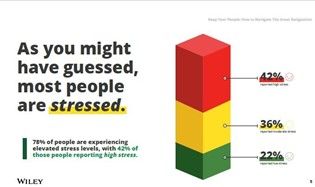
Numerous recent studies report that most people are stressed out much of the time, not just in the workplace but in life.
Given the heightened state of conflict in all levels of society, as well as soaring statistics regarding many negative trends affecting quality-of-life factors, I'm motivated to teach peace to a seemingly crazy world, or at least an understanding of how to insulate yourself from all the white noise. More than ever, information about defensiveness can be invaluable.
The numbers reported today regarding negative news are staggering. For example, the average rate of mass shootings is two per day in the USA. The Xylazine crisis is killing 200+ people daily. Elder abuse, homelessness and suicide rates are at an all-time high. As of the date of this article, 09/10/23, the US has experienced more mass shootings than all of 2022, over 400 and climbing. Likewise, homelessness, drug addiction, and related deaths are rising, particularly as concerns about fentanyl and the new Xylazine crisis.
Human trafficking, modern-day slavery, is an elusive crime, with over fifty-one thousand signal calls reported by the Human Trafficking Hotline in 2021. With so many stressors on our minds, including natural catastrophes and the threat of nuclear annihilation, no wonder we can be short-tempered with those close to us.
When criminal offenses occur, many are injured. The perpetrator has been psychologically and emotionally damaged long before getting to a breaking point that results in crime. Of course, the victim suffers in the attack moment but also from traumatic triggers related to the crime long after the incident is history. Observers are also affected by witnessing man's inhumanity to fellow man. Rarely does anyone get through life without shock and trauma from observing reports of bad news, some from incidences such as losing a loved one. Hearing the machine scream, “Breaking News!” several times a day triggers my anxiety levels. Do you respond likewise?
To my readers, I promise that practicing these eight points will make your life journey much easier to traverse. I welcome hearing about your successes with these practical ideas. Now, let's move on to understanding and dealing with resistance..
How to Reduce Defensiveness
1. Identify what makes you defensive.
We tend to become defensive when we feel attacked, marginalized, or devalued. Such defensiveness is often rooted in what we believe validates who we are. For example, I experience much joy from winning hero points, which is not unusual for people in the professions. In contrast, I become defensive when and if the suggestion is made that my actions may have caused harm. So, when providing me with corrective feedback, please just give the facts and outcomes. Do not suggest that I am deficient or a lousy worker. Understanding our triggers is crucial to managing our defensiveness.
We can benefit from reflecting on what validates our feelings of self-worth. We experience joy from our achievements, but we are likely to become defensive when confronted with suggestions that we have caused harm to another or made a wrong decision. In mitigating defensive reactions to our words, constructive feedback is better focused on facts and outcomes rather than implying personal deficiencies. What makes us defensive? The answer varies depending on our deepest-held values. We defend what we hold sacred.
Dr. William Moulton Marston, in his book Emotions of Normal People, cites our defense responses as significant fears, which may include a combination of the following:
1) Fear of being taken advantage of
This is typical of hostile-explosive personalities.
2) Fear of loss of love, affection, or connection
Napoleon Hill, in Think and Grow Rich, identified this as one of the six major fears of all people. We need to be needed and will do crazy things for love. Have you?
3) Fear of loss of stability
This can mean loss of security, loss of stable systems and processes, and even fear of 'losing one's mind.' We can become so traumatized that we fear losing our mental faculties of being able to think and focus clearly or use reason.
4) Fear of loss of control
Closely related to the fear of loss of security, this is the fear that others may try to control our decisions and actions as if our voice doesn't count. No wonder calm people usually explode when this fear is triggered.
Reviewing these four primal fears helps ameliorate tensions before they occur and prepares us for a 'bridging' type of conversation. Mentally rehearsing 'what-if' scenarios before any potential confrontation can be helpful toward putting the other person at ease, even if they are angry.
2. Be sensitive to what makes others defensive.
This is more challenging to do than it may seem. We need to know the other person well to understand what makes them defensive. Most people tend to value and protect that information. Like most young people, I was particularly sensitive about my appearance when I was a schoolboy. I was teased by a classmate who referred to me as Mad magazine's mascot, Alfred E. Neuman. I did not mind the teasing much because I'd always considered Alfred a world-famous comedy magazine celebrity. He was way too cool despite his missing tooth. Empathy plays a pivotal role in reducing defensiveness. People often guard their sensitive spots, making it challenging to discern their triggers.
Consider how a friend's macho insult about your appearance, intelligence, or social value affects you viscerally, although you may know their words are only a tease and not factual. Still, the insult triggers your adrenalin fight-or-flight response. You can feel it in your body, especially in your belly, where you experience your 'gut feelings.’ "The gut-brain connection makes it possible for emotional experiences to register as gastrointestinal distress. When you feel anxious, fearful, or certain that something's wrong, you might experience stomach twinges, pain, or nausea. That's where the name "gut feeling" comes from." – from Jan 27, 2021 - https://www.healthline.com/.
Now for a comment on the dark side of human nature. That young person who teased me in school, although triggering my synapses and brain chemistry synapses, may have enjoyed an opposite biochemical brain chemistry reaction that can be pleasurable and addictive and reinforces brusque behavior. If, even subconsciously, the bully was enjoying my pain from the insult, perhaps he wanted a sadistic "dopamine lollipop," a brain chemistry natural high. This phrase is from Monica Guzman, author of I Never Thought of It That Way. Guzman highlights how unconsciously we contribute to interpersonal tension and conflict, especially with political or religious arguments that are a mental tug-of-war and not a mutual exchange of ideas intended to help understand each other better.
Too often, we dismiss others because we assume their intentions and motivations without directly asking questions to know the reasons why they behave as they do. To reduce defensiveness in others, we need to sincerely be curious about what makes them tick when asking questions and to listen attentively. A respectful tone may be helpful to others in revealing their reasons and rationale. This helps them to relax, feel respected, and fully disclose, building trust.
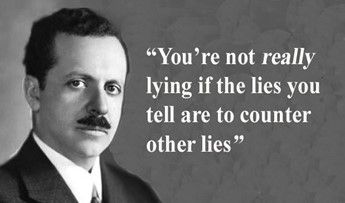
In his famous book, The Hidden Persuaders, author Vance Packard stated decades ago what he knew about mass brainwashing, mainly that effective brainwashing is not obvious. It is rooted in deep and primal emotions, particularly fears of loss. As any terrorist negotiator knows, the communications process starts with small verbal concessions that slowly shift your role from the meanie interrogator to the reasonably polite interrogator. Hence, in 1934, the father of the public relations industry, Edward Bernays, in collaboration with the CIA, United Fruit Company and President Eisenhower, issued a series of gradually scarier and scarier press releases, playing on the national fears of 'commies' creeping up from South America. This mass brainwashing plan was put in place to justify overthrowing a democratically elected leader and instead to install a puppet regime. Edward Bernays knew effective brainwashing is not obvious but is rooted in deep and primal emotions, particularly fears. Bernays rationalized, "You're not really lying if the lies you tell are to counter other lies."
If you're a boomer, do you remember pre-internet days in the early 90s when the tech world announced the coming of something called "The Super Information Highway?" In 1984, my friend Toby shocked me by saying that someday, mailing letters would be obsolete thanks to email. That was news to me. Online shopping was considered suspicious and dangerous when the internet was a digital infant with few websites. The mantra of the hoi polloi was, "I'm not gonna put my credit card number on the Internet." Now look at us with our Amazon purchasing addiction. We have been converted from resistant to a new idea to true believers through propaganda techniques.
Online media professionals know they feed us 'dopamine lollipops' whenever they post a headline that champions our preferred politician or features headlines that show our adversaries are harmed. All of the 'news' headlines are not simply stated reports of something new but are written in language to make us curious, angry, sad, frustrated, excited, or eager to spend money on yet another fabulous offer.
This constant flood of digitized white noise is a form of political conditioning, as explored in the book The Rape of the Mind by Joost Merloo. The masses are being lured into being well-tamed consumers of whatever beliefs are saleable without even knowing about it but actually enjoying the ride. This is true universally, despite claims of 'agenda-free reporting.'
Our limbic brain is wired for our self-centered self-preservation with a sensitive fight or flight trigger that can dramatically shift with just one word or image. Some media viewers/listeners who know what to expect can consciously create a 'perceptual defense' bubble around them that insulates them from being influenced. Instead, they can create a mentally calm and spiritually centered state of being.
Joost says, "The more familiar people are with the concepts of thought control and menticide, the more they understand the nature of the propaganda barrage directed against them." By his word 'menticide,' he means the devolution of and ultimate control of the collective mind of the masses. It is used to kill free thinkers' right to create a mind free from worldly distractions. Menticide ends the right and ability of individuals to think and reason for themselves.
As Carol Tavris reminds us in her seminal book Anger – The Misunderstood Emotion, every time we get angry, we have the opportunity to repeat and reinforce historical behavior and thought patterns, to be stuck in that reflexive anger pattern. Or we can pause and choose a different, more satisfying way of responding. We can manage ourselves and our feelings by controlling our thoughts.
Awareness of others' vulnerabilities and treating them with sensitivity and respect is vital to fostering open dialogue, especially in conflicted situations where two screamers send messages and neither receives them. In heated arguments, we often misinterpret the hidden messages beneath the words. Virginia Satir, the mother of family therapy, eloquently stated, "93% of the effect of all communications is through meta-messages attached beneath the surface to spoken words."
Hostage negotiators, lawyers skilled at cross-examination, military and political brainwashers, and interrogators of wartime enemies and captive terrorists, through sheer repetition, all sharpen their process observation aptitudes through the execution of their usual work tasks. They learn how to reduce defensiveness and to motivate by inferential listening. This was demonstrated when Johnny Depp's calm lawyer listened carefully and merely echoed Amber Heard's testimony down to specific words, thus allowing her to self-incriminate.
3. Never be judgmental in thought, speech, or action.
This is practically impossible without conscious effort and awareness of our biases and prejudices, which may be hidden 'under the hood' beneath an opaque layer of denial. When reacting to others, we must pause and check our first spontaneous thought and then carefully choose another thought and attitude that may improve the relationship. This is the essence of cognitive-behavioral therapy. If you listen to your first reactive thought, your self-talk reveals your inner attitude. Cognitive behavioral therapy has effectively treated anger management, PTSD, depression, anxiety, smoking cessation, and addiction.
Eliminating judgment requires conscious effort and awareness of personal biases. Cognitive-behavioral therapy principles can guide us in managing our thoughts and attitudes. We can improve relationships and reduce defensiveness by pausing to evaluate our initial 'first thought' reactions and choosing more constructive thoughts.
Ways to practice being nonjudgmental
Reflect on a recent situation when you made a snap judgment about someone else. Consider how you felt and what were your thoughts at the time. Do you even remember? Imagine, if you were coming from a place of equanimity, how you might have handled that situation.
Imagine a fictitious character struggling to overcome being judgmental in thought. Write about your character's journey towards becoming less aloof. What challenges do they face during that process? What beliefs and assumptions might they have to release?
Write a supportive letter to your adolescent self, offering guidance relationships. Share personal experiences, especially the ones that make you slightly nervous about disclosing. Note particularly valuable insights that you've garnered along your way.
Explore the benefits of being nonjudgmental. Write about how practicing nonjudgmental thoughts can improve relationships and overall health, reduce stress, and support personal growth and feelings of well-being.
Write one scene of an imaginary play, a dialogue between two friends who differ on controversial topics. Describe how they can engage in a nonjudgmental conversation, actively listening to each other without judgment.
Reflect about a time when someone was nonjudgmental towards you during a difficult or crazy situation. How did it impact you, and how did it make you feel? Think how you can pay that kindness forward to others, creating a ripple effect of good energy exchange.
Write a story about someone who goes to an idealistic, dreamy world known for its nonjudgmental and accepting community. Explore the character's experiences and gradual transformation as they interact with the people.
Journal your efforts to practice nonjudgmental thinking for only one week. Note the time of day and your moods then. Reflect on challenges you encounter and progress steps you make.
Explore the role of prayer, mindfulness, and meditation in cultivating nonjudgmental awareness. Write about your experiences with these practices and how they have helped you become less judgmental, at least some.
Write a dialogue between a wizard and his mentee, where the wizard imparts secret, ancient wisdom about the true nature of magic and miracles, and gives guidance on the importance of nonjudgmental thinking and how to incorporate it into daily life.
4. If you sense resistance, ask why.
Reduce resistance through understanding responses. Send understanding and clarifying messages.
In close relationships, addressing underlying issues is crucial. I remember a workplace situation in which a coworker was constantly sarcastic. I tried to resolve workplace conflict by directly asking the employee about their concerns. They vented, and I attentively listened. This empathetic approach led to open communication and improved relations. Identifying resistance signals and seeking clarification can foster mutual understanding.
Especially in close, caring relationships, it's good to check in and talk about what lies beneath surface communications, especially if you intuitively feel distanced emotionally. Once, while managing line workers, I sensed a coworker's disapproval of me and asked that employee, "What is it that you don't like about me or how I work with you?" After the upset person emptied their complaints, they were grateful to be heard. My empathetic listening and gratitude for their feedback shifted the relationship in a positive direction. Empathy plays a pivotal role in reducing defensiveness. People often guard their sensitive spots, making it challenging to discern their self-protection triggers.
As an adolescent, I remember how super-sensitive I was when teased by my peers about my appearance. That type of sensitivity varies among all individuals, not just young people. Consider how a friend's macho insult about your appearance, intelligence, or social value affects you viscerally. Although you may know their words are only a tease and not factual, the abuse still triggers your adrenalin fight-or-flight response.
5. Learn the natural tendencies toward defensiveness
of the twelve 'hidden' DiSC personality styles and how to identify specific resistance signals. Understanding personality styles and their defense triggers can enhance communication. Dr. Marston's DiSC model identifies associated fears related to different styles. By recognizing these tendencies, individuals can adapt their communication to reduce defensiveness. Taking the Everything DiSC™ assessment can provide valuable insights into one's style. The 12 different 'hidden' DiSC personality styles tend to have specific defense triggers.
It is important to note that DiSC is not a typology but describes interpersonal behavioral tendencies when the instrument is used. It is merely a real-time snapshot. Your profile may look completely different in the boardroom than in the bedroom, where it can appear quite the opposite.
Marston's DiSC™ model’s predominant fears of the four styles
Dominance/Power Their biggest concern is fear of being taken advantage of (ego-loss). To reduce interpersonal tension, think and speak in terms of "we," not "us versus them." D styles have more anger issues than the other styles. To reduce interpersonal tension with a D style, ask what they need and want, and if possible and practical, give it to them.
Influence/Empathy
Fear of loss of approval (or affection) is common for all people, but especially for those whose world is defined in terms of relationships and their quality and attributes. The "i" style can be effusive and emotional, so in conflict, remind them that you are fighting to resolve the problem and not attacking them personally, or worse, withdrawing love and affection.
Submission/Obedience
Fear of loss of security (or predictability) reveals a need for order and established systems and processes. Hating conflict, this style usually caves in, retreats, or withdraws requests, only to avoid the person causing the conflict in the future. Because they are good at concealing their true feelings, dominance styles in conflict with them often are deceived into thinking the problem is solved when, in fact, the S style buries their resentment deeper.
Compliance/Acceptance
Fear of loss of control (or accuracy) is why this style works well with the S style but not so much with the D style. Because they can be highly observant and intuitive, they can retain much 'hidden' information about you that can be revealed if they explode in anger, often causing deep wounds because of the accuracy of their observations about your weaknesses and faults.
6. Realize that it is not the emotional content of communication that affects the attitudes of others as much as the intent in delivery.
We've all said things in the heat of the moment that we've regretted later. That is common. In a conflict situation, if your attitude is to be helpful, you will naturally choose the right words instead of letting your spontaneous emotions express themselves. Effective communication hinges on the intention behind our words. Focus on being helpful rather than allowing emotions to dictate your responses. Benjamin Franklin said, "Speak not but what may benefit others or yourself." This underscores the importance of intention in communication. Emphasizing helpfulness can lead to more productive interactions.
7. Don't try to change people.
People resist change, especially when it feels imposed. Instead, highlight the importance of creating a safe, supportive environment where individuals feel heard and valued. Encouraging voluntary change in a nurturing atmosphere can yield more positive outcomes.
People especially resist change when it is being imposed on them by others. Imagine working for a company like Twitter or Amazon, where management expects absolute compliance with company protocols and policies, although workers are not involved in shaping the culture. Elon Musk's "hardcore ultimatum" for workers has produced mass quit-rage and likely 'quiet quitting' by remaining workers. People are more apt to change for the better if provided a safe, supportive environment where they feel heard, not based on the carrot and stick.
8. Know thyself.
This is probably the hardest one of these suggestions. Self-awareness is a cornerstone of reducing defensiveness. Anyone who has jumped through their Jo-Hari window realizes that we all have a personality 'blind spot,' a part of ourselves that others observe but we cannot see. That is why it is good to have a strong support system and create what Napoleon Hill referred to as your imaginary board of advisors. Those who observe you well can give valuable information about your blind spot. Just ask them.
Conclusion
The rules for reducing defensiveness in personal encounters presented in this paper provide valuable insights and practical strategies for fostering better communication and healthier relationships. By applying these rules with empathy, self-awareness, and intention, individuals can navigate interpersonal encounters more easily and effectively.
Remember, when confronted with a tense interpersonal situation, to think twice, then speak once.
Frank DeDominicis - Culture Wizard, People Tamer, Business Innovator
303.219.0792
References
Marston’s Book reviewed
https://internalchange.com/emotions-of-normal-people-book-summary/ - Adam Stamm
Human Trafficking
https://humantraffickinghotline.org/
Healthline
Beck, A. T. (1993). Cognitive therapy: Past, Present, and Future. Journal of Consulting and Clinical Psychology, 61(2), 194-198.
Think and Grow Rich - The Landmark Bestseller Now Revised and Updated for the 21st Century (Think and Grow Rich Series): Napoleon Hill, Arthur R. Pell: 9781585424337: Amazon.com: Books
The Hidden Persuaders - Packard, Vance, Miller, Mark Crispin: 9780978843106: Amazon.com: Books
Anger: The Misunderstood Emotion - Tavris, Carol: 9780671675233: Amazon.com: Books
Propaganda - Edward Bernays, Mark Crispin Miller: 9780970312594: Amazon.com: Books - a book that influenced Goebbels and Hitler.
EverythingDiSC™
https://www.everythingdisc.com/FrankDeDominicisAssociates
Hofmann, S. G., Asnaani, A., Vonk, I. J., Sawyer, A. T., & Fang, A. (2012). The Efficacy of Cognitive Behavioral Therapy: A Review of Meta-analyses. Cognitive Therapy and Research
The Johari Window: A Simple Explanation You Can Apply To Your Team - YouTube
Recent Posts