
Paws and Productivity — Working with a Bunch of Animals

The notion that women are more subject to persuasion when dependent on others is a generalization that does not apply universally to all individuals. A complex interplay of individual characteristics, situational factors, and Context influences people's susceptibility to persuasion. Gender, while it may play a role in shaping socialization and experiences, is just one of many factors that can affect a person's vulnerability to persuasion.
Key Considerations
Individual Differences
There is substantial variability among individuals, regardless of gender, regarding their susceptibility to persuasion. Personal traits, such as self-confidence, critical thinking skills, and assertiveness, can significantly affect one's resistance to persuasion.
Situational Factors
The context in which persuasion occurs is important. Vulnerability to persuasion may depend on the specific situation, the nature of the persuasive message, and the individual's emotional state at the time.
Psychological Factors
Psychological factors, such as cognitive biases, prior beliefs, and social influence, can all play a role in susceptibility to persuasion. These factors can affect people of any gender.
Cultural and Societal Influences
Cultural and societal norms and expectations can influence how individuals respond to persuasion. Norms vary widely across different cultures and communities.
Dependence and Interdependence
The extent to which an individual is dependent on others is just one factor to consider. People may be dependent in various ways, such as financially, emotionally, or socially, and these dependencies may influence their responses to persuasion differently.
Various factors influence people's responses to persuasion, and individuals can vary significantly in their susceptibility. It is helpful to approach these topics with nuance and avoid making gender-based generalizations.
"Male style is analytical and manipulative."
Another study of U.S. governors found that states with female leaders had lower fatality rates.
"There may be common learning experiences based on anatomical facts that help create some of the psychological reactions observed more often among women, i.e., their interest in interdependence, their idea that they must give up on something to get another, etc."
While it is true that there are some biological and hormonal differences between men and women, such as differences in their brain structure and function, it is not appropriate to directly link these differences to complex psychological reactions or behaviors.
The development of psychological traits and behaviors is influenced by biology, genetics, upbringing, cultural and societal norms, and individual experiences. Attributing specific psychological reactions solely to anatomical differences overlooks the complexity of human behavior and the interplay of multiple factors. Psychological traits cannot be simplistically attributed to gender or anatomical differences.
Scientific research generally recognizes that behavior and psychology are influenced by a combination of biological, genetic, environmental, and social factors. Researchers in psychology and neuroscience conduct extensive studies to understand these complex interactions better.
To further comprehend, one should refer to peer-reviewed scientific studies and research in psychology, neuroscience, and gender studies. It is important to approach these topics with nuance and respect for the diversity of human experiences and perspectives.
The tendency for women to belong to more organizations and circles than men can vary based on numerous factors, including individual preferences, cultural expectations, and life circumstances. There is no one-size-fits-all answer to this question, as women's and men's levels of involvement in organizations and social circles can vary widely.
Factors to Consider
Cultural and Societal Norms
Women may be encouraged or expected to participate in various community, family, or social organizations in some cultures and societies. These cultural norms can influence women's involvement in such groups.
Lifestyle and Life Stage
Life circumstances and lifestyle choices can impact participation in organizations and circles. Women may become more active in community organizations due to their roles as caregivers, including involvement in parent-teacher associations, neighborhood groups, or social clubs.
Work and Career
Career demands and work-related commitments can influence organizational participation. Some men and women may choose to be more or less involved in extracurricular activities based on their career demands and time constraints.
Individual Personality and Interests
Personal preferences and interests play a significant role. Some individuals, regardless of gender, are naturally inclined to be involved in multiple organizations and social circles, while others may prefer more limited involvement.
Availability and Access
The availability of organizations and circles in a particular community can also influence participation. In some areas, more opportunities for involvement in various groups may exist. Personal preferences and a complex interplay of societal, cultural, and individual factors influence the level of involvement in organizations and social circles.
"Women will give their will in submission in exchange for feeling secure and loved."
Selected Resources

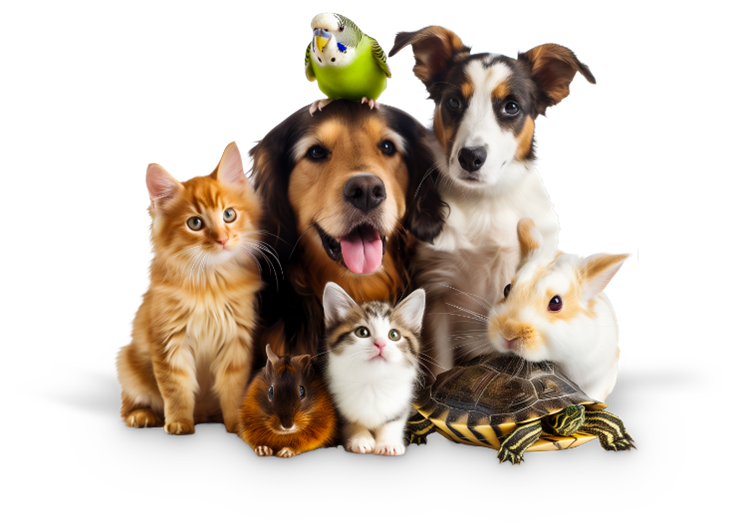
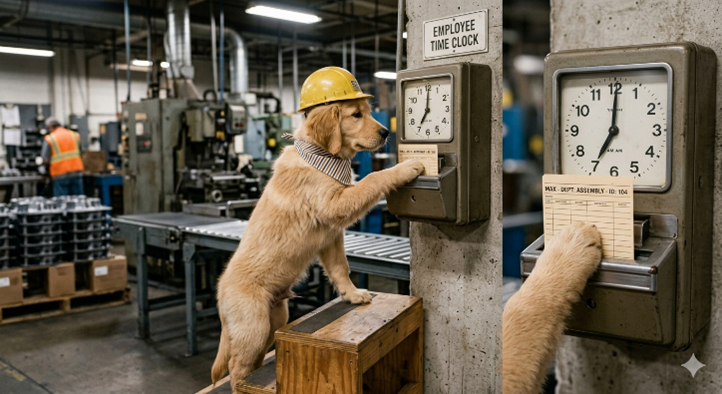
Does bringing a dog to work lift everyone’s spirits, or just spark a flurry of playful distractions? While we’ve tackled workplace conflicts before, today’s focus is on our furry, scaly, and feathered colleagues—dogs, yes, but also cats, lizards, guinea pigs, birds, and even fish.
Offices with pets report less conflict and improved working relationships, perhaps because pets remind us of our innate primal nature, or because of the psychological and emotional rewards of the human-animal bond. Pets can provide us with unconditional positive regard.
Speaking of which…recently, I encountered a wild animal while hiking in Colorado’s La Garita volcanic area, in the San Juan Mountain Range, which features absolutely hypnotic, beauteous panoramas spanning millions of acres. Gazing off to the horizon, for a few moments I was frozen in space and time, captivated by the fabulous view. Joyfully, I appreciated my being part of the larger scheme of nature, of the wheel of life, like just another ant, just another carbon-based lifeform munching on a protein bar.
Being still, quiet, and distracted by the scenery, I did not notice a beautiful coyote with a full grey tail that was right in front of me. It was about ten yards away, lapping water in the stream that I was following. My hikers’ companion handbook warned me about exploring where black bears go, down to the creek where wild berries grow. Still, like my saintly namesake, I’ve always felt a kinship with beasts, as if we shared a common mind, like lovers who are cerebrally connected through long-trained intuition. Noticing me, the wolf glanced up from the water as we shared our unspoken body language messages.

Dialogue with a Coyote.
What I imagined we mentally communicated:
Wolf: “Oh! Who are you? Are you a threat?”
Me: (standing still, but grinning hello) “Wow! You’re beautiful and graceful, shy dog.” Wolf: “Nice to meet you. I was just leaving.”
Then he proceeded to casually saunter away from me, following the natural footpath on the bank that long ago created by smaller creatures. I waited until he was about twenty yards away, then started following the stream path behind him, cracking a dried twig under my boot.
Me: noticing he stopped to check me out again, “Oops. Sorry. Carry on, friend.”
We both walked on for a while, with him several times glancing back at me. I followed him cautiously and quietly, being careful where I stepped.
Wolf: looking back at me as he walked into thicker brush, “Thanks for not scaring me. I’ve got to go.” …and he slowly disappeared into riparian camouflage.
Afterward, I felt that natural high, feeling complimented by the coyote’s calmness and accepting me for a few minutes into her space. For several minutes, I could not stop smiling.
Being a birder, I knew that by sitting still and staying quiet in the thick of the wilderness, I’d experience sounds and sights I might not if being noisy on the trail, sending out bear warning ‘Whoop, whoops!” Somehow, that encounter with the coyote lifted my spirits, a feeling that stayed with me long after I returned to civilization. Oddly, I feel like I have a friend out there.
Dr. William Moulton Marston, who (obsessively) interpreted every behavior through his DiSC filter, claimed that becoming ‘distracted and thoughtless’ while viewing a panoramic natural beauty horizon was a form of compliance, of allowing the environment to dominate us. Simultaneously, whenever something goes down in the traditional DiSC graph model, something else must go up numerically within the six vertical segments. Hence, relaxing and surrendering our attention to beauty, becoming lost in the moment, lowers cortisol and elevates oxytocin, the famous ‘natural high’ experienced by outdoor enthusiasts.
In researching this subject, I learned that overwhelmingly, dogs in the workplace are favored over other animals. Clearly, there are workspaces inappropriate for animals other than the human animal. The benefits are multiplicative for the pets, workers, and the bottom line.
The Human-Animal Bond
A major resource on the subject is the Human Animal Bond Research Institute (HABRI), which has partnered with Mental Health America (MHA) to create an online hub featuring resources, information, and tools that emphasize the positive role of companion animals in overall health and well-being. Outcomes are uniformly positive, enhancing mental health and reducing stress for workers and their pets, who are not left home alone to miss their favored feeders.
A survey of 4,000 MHA constituents found that pet owners overwhelmingly report positive health benefits from their pets and have a significant interest in resources related to pets and mental health. The resource center provides expert information on the science behind the human-animal bond, animal-assisted interventions, mental health resources for pet owners, and guidance on choosing and caring for pets. Pets help those suffering from social isolation, PTSD, and depression. In fact, automaton pets are marketed to lonely elders, a hot market niche.
Rather than my restating obvious benefits of the human-animal bond, below you will find references to help you explore how to bring the idea to your team, how to win buy-in with peers for a dog-friendly work day, and what liability and protection terms may need to be added to your lease and to the company policy regarding pets in the workspace. Workers need to provide vaccination documents and sign off regarding reasonable care terms.
Pandemic Survey Research: Pet Health Study Outcomes
The study revealed that the human-animal bond is stronger than ever, with bond strength correlating to increased vet visits and greater adoption of pet care technologies. During COVID-19, there was a massive surge in dog adoptions. A 2021 ASPCA survey reported that approximately 23 million American households acquired a pet (dog or cat) during the COVID-19 pandemic. This accounts for nearly one in five U.S. households. .

Research: Pets and Mental Health
HABRI-funded research has demonstrated the mental health benefits of pets, including:
Service dogs reducing stress, depression, and social isolation for military veterans with PTSD. Adopting a shelter cat improves empathy; reduces separation anxiety in children with autism. Fostering shelter cats alleviates loneliness; improves mental health for older adults living independently. Therapy dog visitations reduce anxiety for children and parents in pediatric emergency departments.

Health Benefits of Office Pets
A comprehensive study of 101 children aged 7 to 12 examined the effect of the presence of a pet dog on children’s perceived stress levels. Compared with children alone or with a parent present, the presence of a pet dog significantly buffered increases in perceived stress.
The study highlights that the common reason dog companionship is valued is that dogs are non-judgmental and accepting of everyone. This is important, as the feeling of evaluation or judgment in social settings is one of the major triggers for socially related anxiety issues. During middle childhood, children engage in more social comparison and incorporate others’ feedback more into their sense of self, including how pets respond to them. The study suggests that because dog companions are by nature not evaluative in the same way as human companions, they may buffer perceived stress more effectively under certain conditions.
In Tucson, Arizona is a TRAK ranch that helps troubled (or not) children to develop social skills, empathy, and personal responsibility by caring for animals. In 'reform school' settings, this is a common therapeutic modality, giving a child a pet to love.
See content credentials
Gen Z and Pets
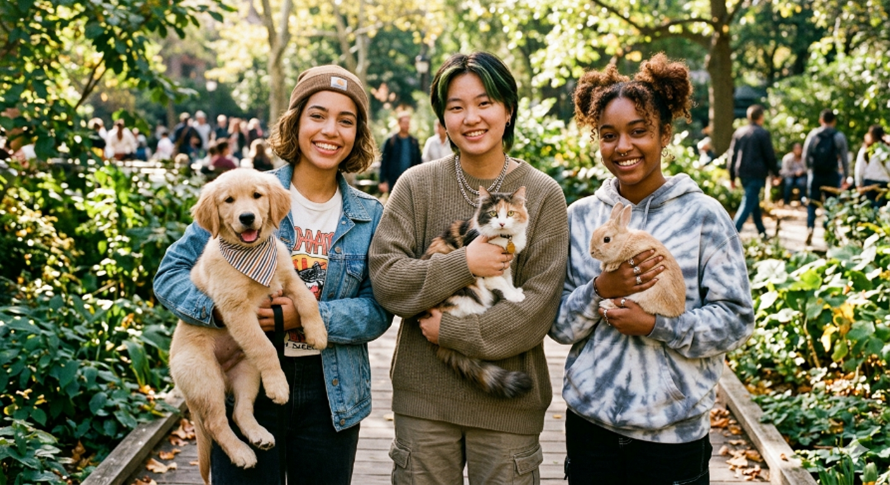
Younger pet owners, especially Gen Z, report high levels of care-related stress and are turning to technology for support, including tools such as symptom checkers, smart feeders, robotic litter boxes, and wearables. The emotional toll of leaving pets behind is a universal challenge, highlighting the need for solutions that help pet owners feel connected and reassured when away from their pets. To them, cost is no object when caring for a furry family member.
Children's Social & Emotional Development
In both Western and non-Western cultures, pet ownership has been found to offer psychological support for children and young adults. This effect helps improve self-esteem and enables them to create more positive images of themselves. Pet horses and dogs have been found to expand children's social circles and increase the number of human contacts, which can improve emotional health outcomes such as self-esteem.
A study examining the level of childhood attachment to pets identified links between pet attachment and empathy, positive attitudes toward animals, and prosocial orientation and behavior. The study suggests that greater direct involvement and responsibility in a pet's care can facilitate childhood attachment to that pet. While children reported the highest level of attachment to dogs, they also demonstrated strong attachment to cats, followed by small animals.
Child-dog interactions may prevent the evolution of emotional problems into full-fledged mental, emotional, or behavioral disorders during adolescence or during adulthood. In a cross-sectional study of over 600 children in a primary care setting, having a pet dog in the home was associated with a lower probability of childhood anxiety.

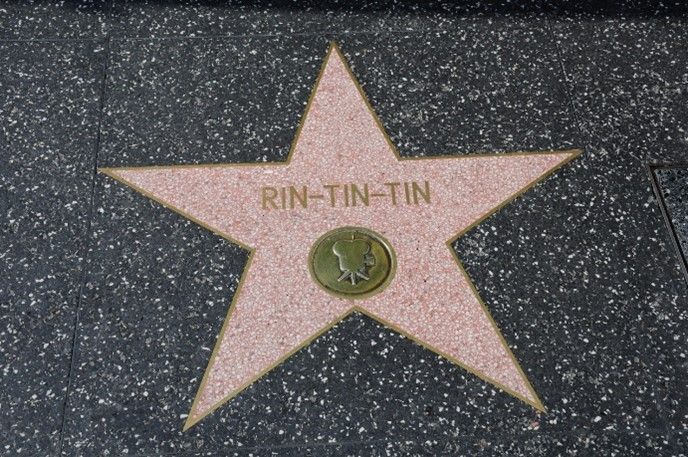
Animals who work for a living include mining canaries, homing pigeons, mine-hunting dolphins, and rescue dogs of war.
Pets in the Workplace
Given the many positive benefits and minimal downsides of pets in the office, consider introducing a pet policy if your workplace does not already have one. Refer to the HABRI resources below for sample agreements and practical steps to get started.
If the peaceful, centered feeling I gained from my encounter with a coyote in the wilderness is any indication of the physiological and psychological benefits of the human-animal bond, imagine the positive impact this could have if we embraced such effects—where practical—in our offices and workspaces. Let's welcome workspace companions who are apolitical, always hungry to give and receive affection, and potential defenders for if and when revenooers come a'calling.
Canine Miracles (alleged)
Saint Roch (San Rocco): The Patron Saint of Dogs
Lastly, I discovered several interesting cases of divine canine miracles. Saint Roch is a saint usually depicted with a dog because of his Black Plague miracle. While caring for plague victims, because he had contracted the disease, he socially isolated himself in the woods. Oddly enough, a local nobleman’s dog began stealing morsels of bread from his master’s table and daily conveying it to Roch. Eventually, Roch fully recovered and returned to his good works, unimpaired by disease.
Saint John Bosco and "Grigio"
One of the most famous accounts is that of Saint John Bosco (Don Bosco) and a mysterious, large gray dog he named Grigio ("The Gray One").
The Protection In the mid-1800s, Don Bosco often traveled through dangerous parts of Turin, Italy. On numerous occasions, he was ambushed by thugs or assassins. Grigio would suddenly appear from nowhere to fight off the attackers and then escort the saint home safely.
The Miracle
Grigio required no food or shelter and would vanish as mysteriously as he appeared. He once prevented Don Bosco from leaving his home by lying across the doorway and growling—only for the saint to learn later that an ambush had been waiting for him that very night. Many believe Grigio was an angel in canine form.
In salutation to all my canine friends out there, “Arrrf! Arf! Aowww. Ruff, ruff, ruff, ruff! Woof!”
-Frank DeDominicis
References
8 benefits of dogs in the workplace
https://www.youtube.com/watch?v=aFfgnZZij34
HABRI Impact Report
https://habri.org/assets/uploads/habri_impact_report_2025.pdf
Pets in the Workplace
https://habri.org/assets/uploads/tpe-the_woofice-handbook.pdf
How Taking Your Dog to Work Benefits Your Company's Bottom Line
https://www.youtube.com/watch?v=wrO_nS1evdk
Harley’s Hope
https://www.harleys-hopefoundation.org/
Dogs in the Office - Pros, Cons and Tips for Behavior Training
https://www.youtube.com/watch?v=WB83Bcgj5MY
No Kill Colorado
https://www.nokillcolorado.org/
Love Changes Lives
American Pet Products Association
https://americanpetproducts.org/about
14 Animals with Jobs | Animals who work for a living!
https://www.youtube.com/watch?v=hCjQL9sBSQA
Pet loss grief; the pain explained | Sarah Hoggan DVM
https://www.youtube.com/watch?v=TkJGhQANjZo
New ASPCA Survey Shows Overwhelming Majority of Dogs and Cats Acquired During the Pandemic Are Still in Their Homes
Pets at Work
https://link.springer.com/article/10.1186/s40359-024-01854-y
Dogs in the Office - Pros, Cons and Tips for Behavior Training
https://www.youtube.com/watch?v=WB83Bcgj5MY
Did Christ Die for Dogs? – Speculative canine theology
https://www.youtube.com/watch?v=crnkne1v-kk
Prayer to Saint Roch for Sick Dogs
https://www.youtube.com/watch?v=VKGPHxt2bW4
Saint Roch
Recent Posts